
Pearls, Power and Glamour
Across centuries, queens, empresses, actresses and style icons have been drawn to its luminous beauty, each leaving their mark on the history of these remarkable gems.

Cleopatra and the Most Expensive Pearl in History
Pearls have long been associated with wealth and power, but no story illustrates their value more dramatically than the legendary wager between Cleopatra and Mark Antony.
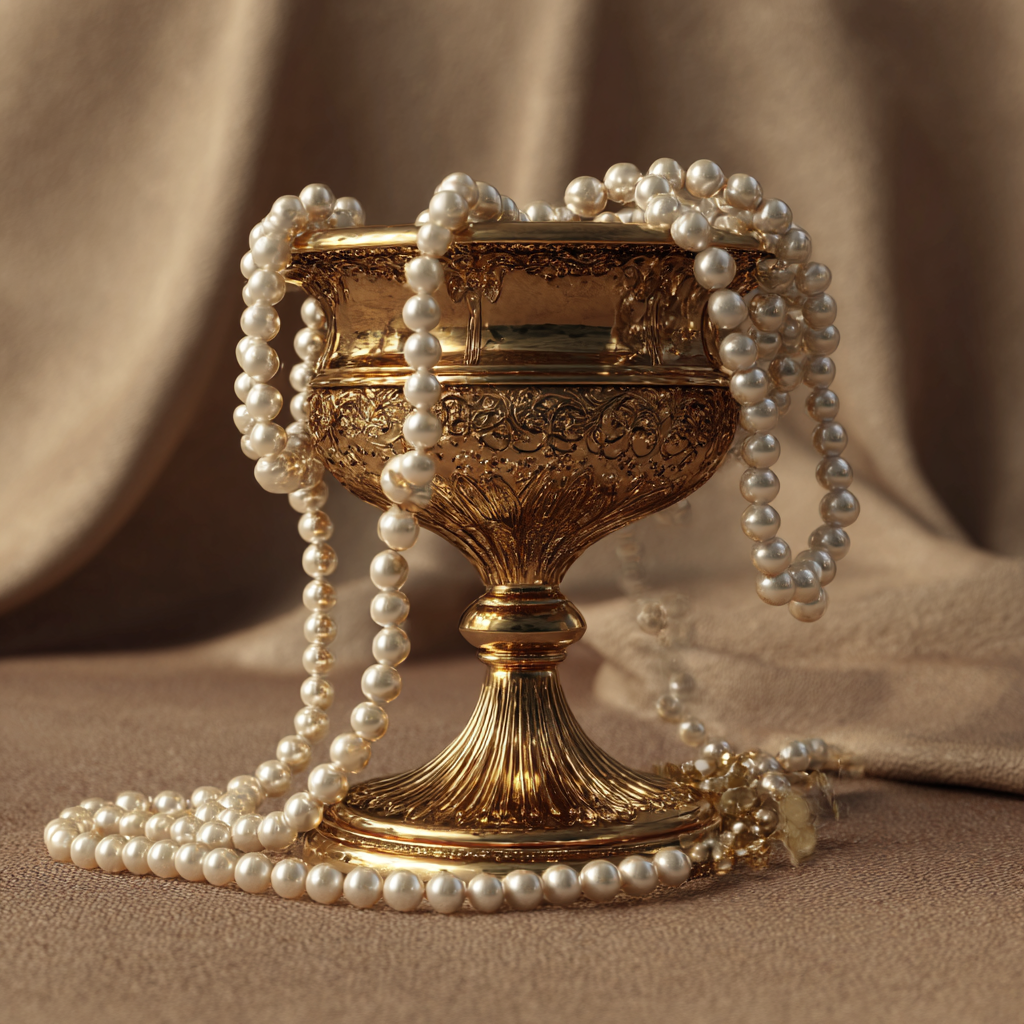
According to the Roman writer Pliny the Elder, Antony once challenged Cleopatra over her extravagant lifestyle, claiming she could not possibly spend a fortune on a single meal. Never one to shrink from a challenge, the Egyptian queen accepted the wager and invited him to a banquet. As the meal drew to a close, Cleopatra removed one of the magnificent pearl earrings she was wearing. Said to be among the largest and most valuable pearls in the ancient world, she dropped it into a goblet of vinegar. Once the pearl had dissolved, she drank the mixture, winning the wager and astonishing her guests. Whether entirely true or embellished over time, the story became one of the most famous jewellery legends of the ancient world. The pearls were said to be priceless, symbols not only of immense wealth but also of Cleopatra's intelligence, confidence and flair for spectacle.
More than two thousand years later, the tale continues to capture the imagination. It reminds us that pearls have never been merely beautiful adornments. Throughout history they have represented status, power and luxury, treasured by queens, empresses and collectors alike.
Few jewels can claim such a dramatic history and perhaps no pearl has ever made a grander statement. Whether fact or legend, the story cemented pearls as symbols of extravagance and prestige.
Elizabeth I: The Queen of Pearls
It is often said that diamonds are a woman’s closest companion, yet long before such sentiments were coined, pearls reigned supreme in the courts of queens and goddesses alike. Cynthia, the moon goddess, was said to favour pearls above all else—a fitting devotion, for their luminous iridescence has long been associated with the celestial glow of the moon.
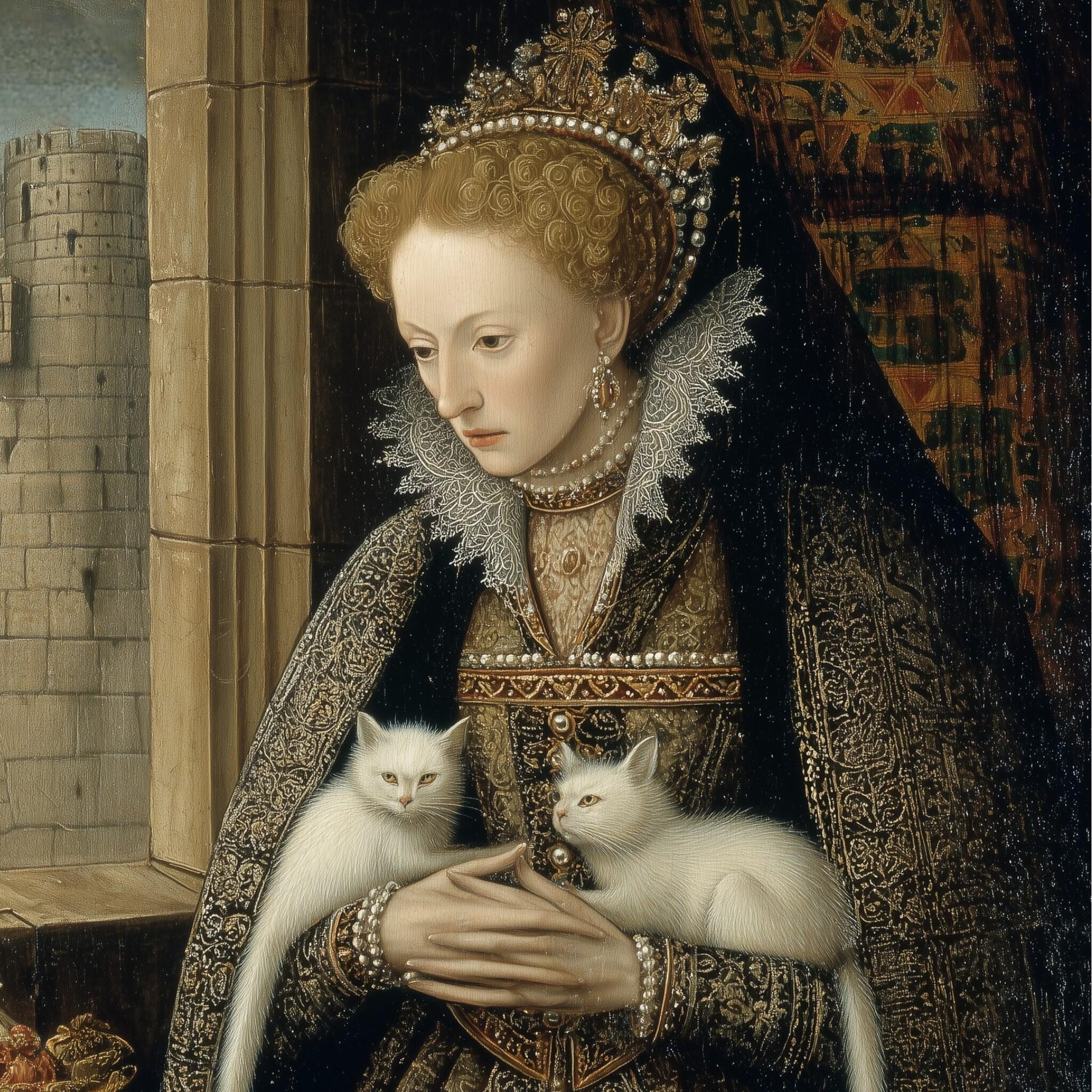
Symbolising purity, chastity, and feminine power, pearls embodied the very virtues that Elizabeth I so carefully cultivated as part of her legendary image. More than adornment, they were a statement of sovereignty, elegance, and divine femininity—qualities that continue to captivate centuries later. Few queens are as closely associated with a gemstone as Elizabeth I was with pearls.
Long before diamonds became the ultimate symbol of luxury, pearls were prized for their luminous beauty and their association with purity, femininity and virtue. These qualities perfectly complemented the image Elizabeth carefully cultivated as the Virgin Queen. As a young princess, her style was elegant and restrained. As queen, however, she embraced magnificence. Pearls became her signature adornment, embellishing her gowns, jewellery and elaborate headdresses. Her wardrobe was said to contain more than 3,000 gowns, many richly embroidered with pearls that had to be painstakingly removed before cleaning and sewn back into place afterwards.
Her love of pearls is beautifully captured in the Rainbow Portrait, painted towards the end of her reign. Depicted as an ageless queen, Elizabeth is adorned with pearls from head to toe—framing her face, adorning her veil and cascading across her bodice. More than jewels, they were symbols of power, purity and majesty. For Elizabeth I, pearls were far more than decoration. They were an essential part of the image that helped create one of history’s most remarkable queens.

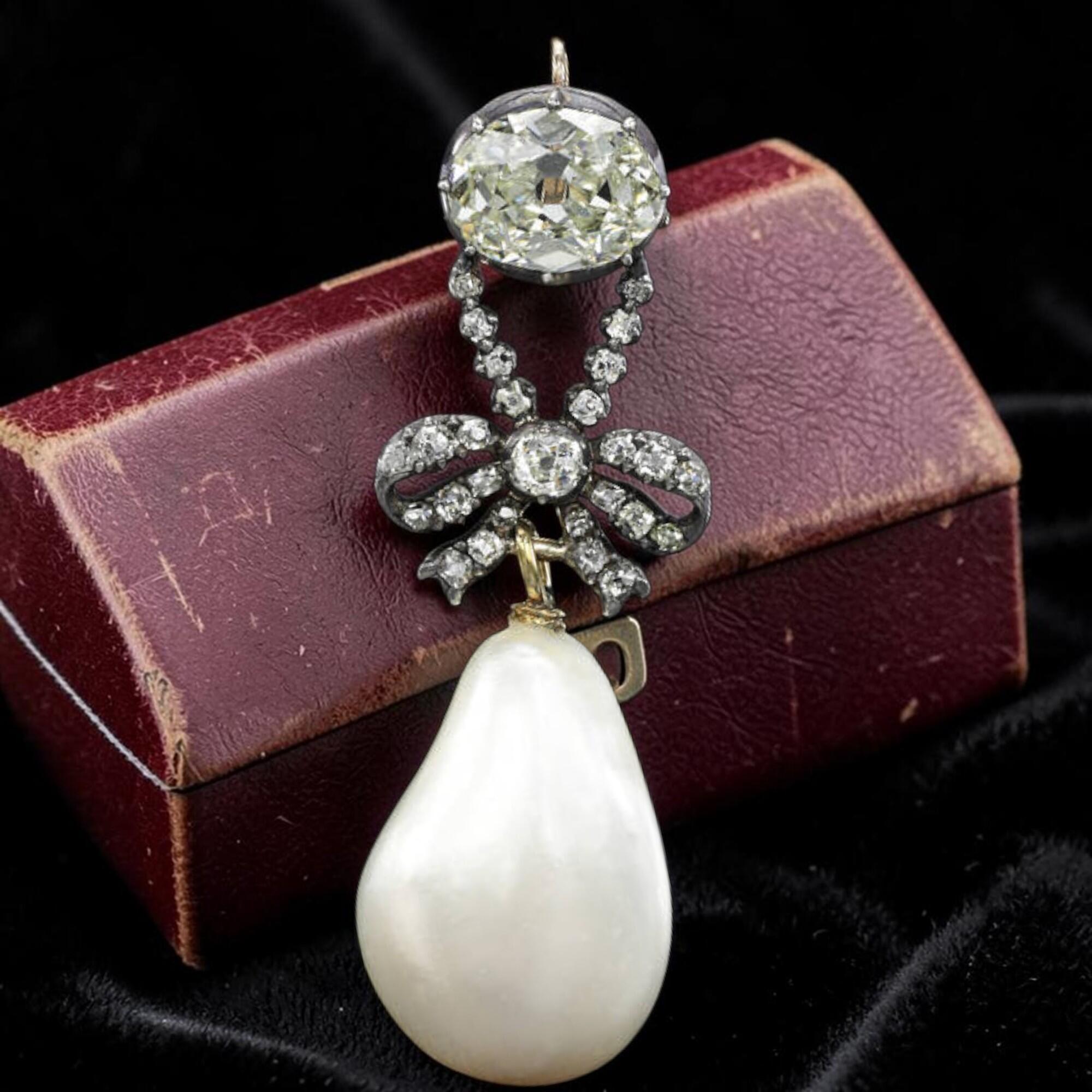
Marie Antoinette and Her Legendary Pearls
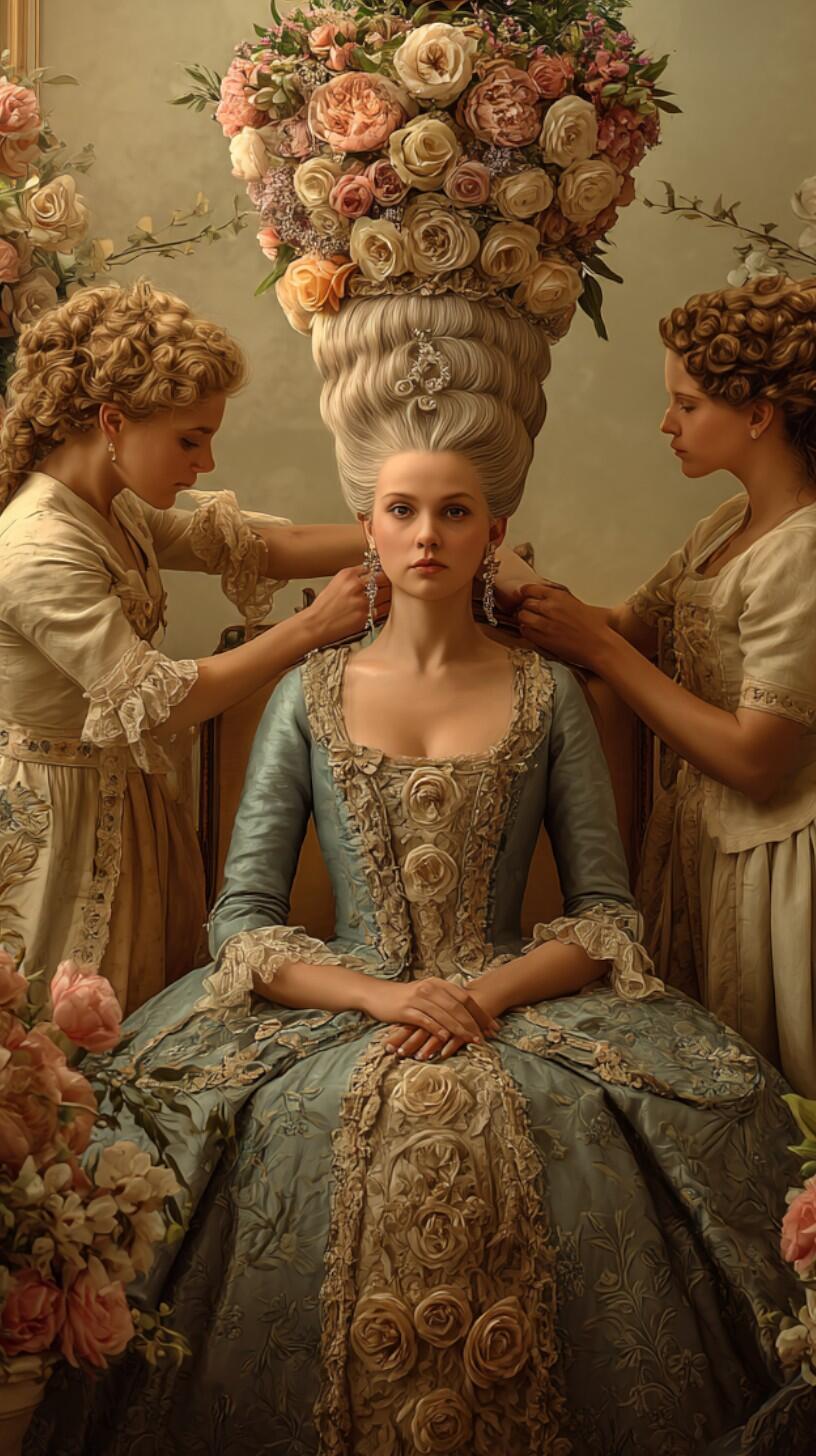
Few royal figures are as closely associated with jewellery as Marie Antoinette. Renowned for her love of fashion and luxury, the Queen of France possessed an extraordinary collection of diamonds, pearls and precious gemstones, many of which became the subject of fascination long after her death.
Among the most remarkable pieces linked to the queen was a pearl and diamond pendant that remained hidden from public view for more than two centuries. Passed down through European royal families, it was sold by Sotheby's in 2018 as part of the historic Bourbon-Parma collection. Suspended beneath a diamond bow was an exceptional natural pearl, believed to have belonged to Marie Antoinette herself. Expected to fetch a modest sum, the pendant sparked intense international interest and ultimately sold for more than $36 million, becoming one of the most valuable royal jewels ever auctioned.
Marie Antoinette's name is also forever entwined with one of history's most infamous jewellery scandals: the Affair of the Diamond Necklace. Although entirely innocent, the queen became embroiled in a plot involving an extravagant diamond necklace created for the mistress of Louis XV. Fraudsters used her name to acquire the necklace, and when the deception was uncovered, public opinion turned sharply against her. The scandal damaged her reputation and further eroded confidence in the French monarchy during the turbulent years preceding the Revolution.
Today, both the pendant and the necklace remain powerful symbols of Marie Antoinette's enduring fascination. One represents the elegance and splendour of the French court; the other serves as a reminder of how jewellery can alter the course of history.
More than two centuries later, the jewels associated with Marie Antoinette continue to captivate collectors and historians alike, preserving the legacy of one of history's most intriguing queens. Across the Channel, Marie Antoinette possessed one of the most celebrated jewellery collections in Europe. Among her treasured jewels were magnificent natural pearls, some of which survived the French Revolution and later achieved extraordinary prices at auction centuries after her death.
The nineteenth century saw pearls embraced by fashionable society once again, from the courts of Europe to the salons of Paris. Empress Eugénie of France helped revive a taste for historical jewellery, inspiring a generation of aristocratic women to adorn themselves with pearls.
In the twentieth century, pearls became synonymous with Hollywood glamour.
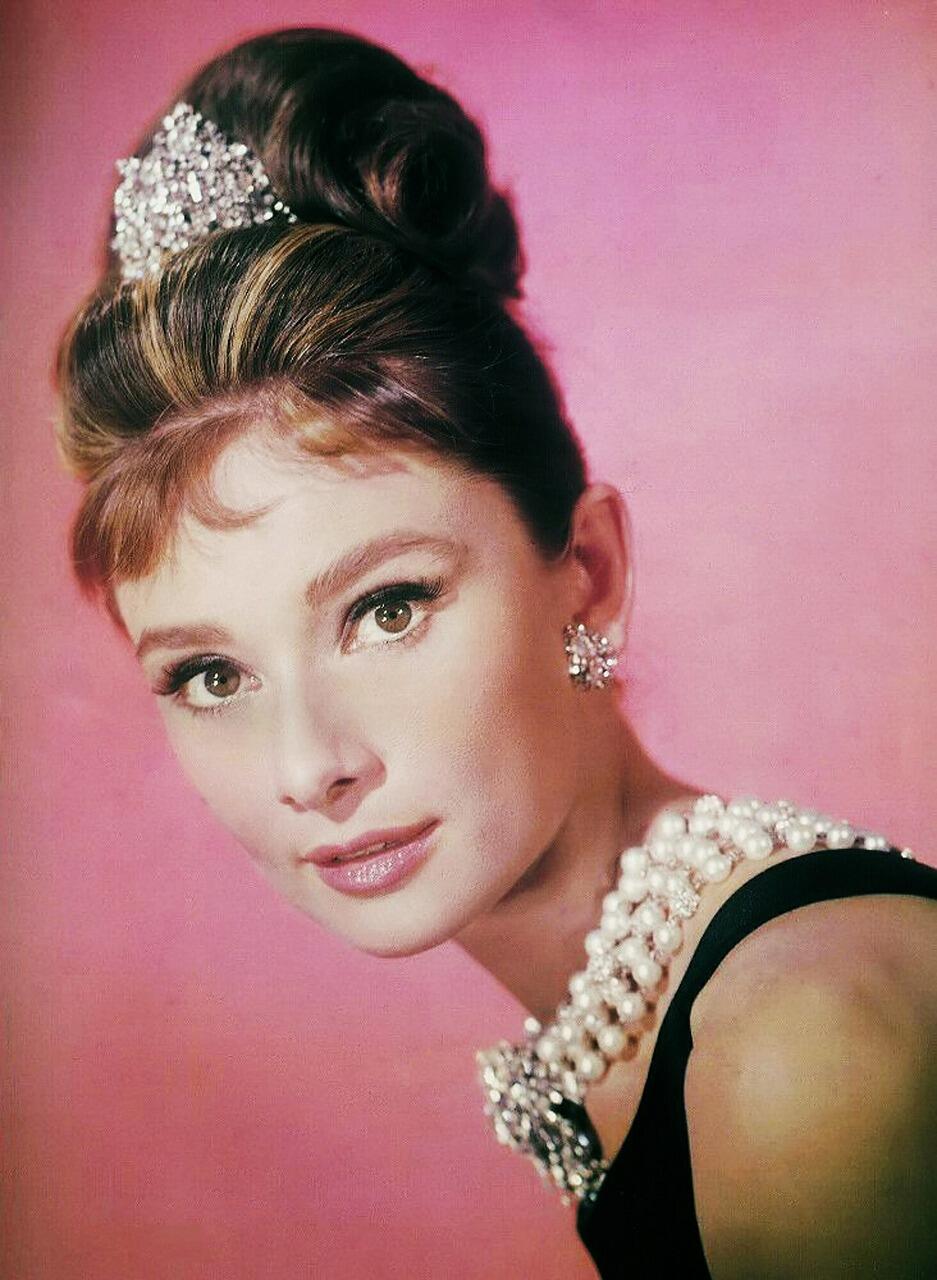
Audrey Hepburn's iconic appearance in Breakfast at Tiffany's transformed the simple pearl necklace into a symbol of timeless elegance, while Marilyn Monroe famously declared that pearls were always appropriate.
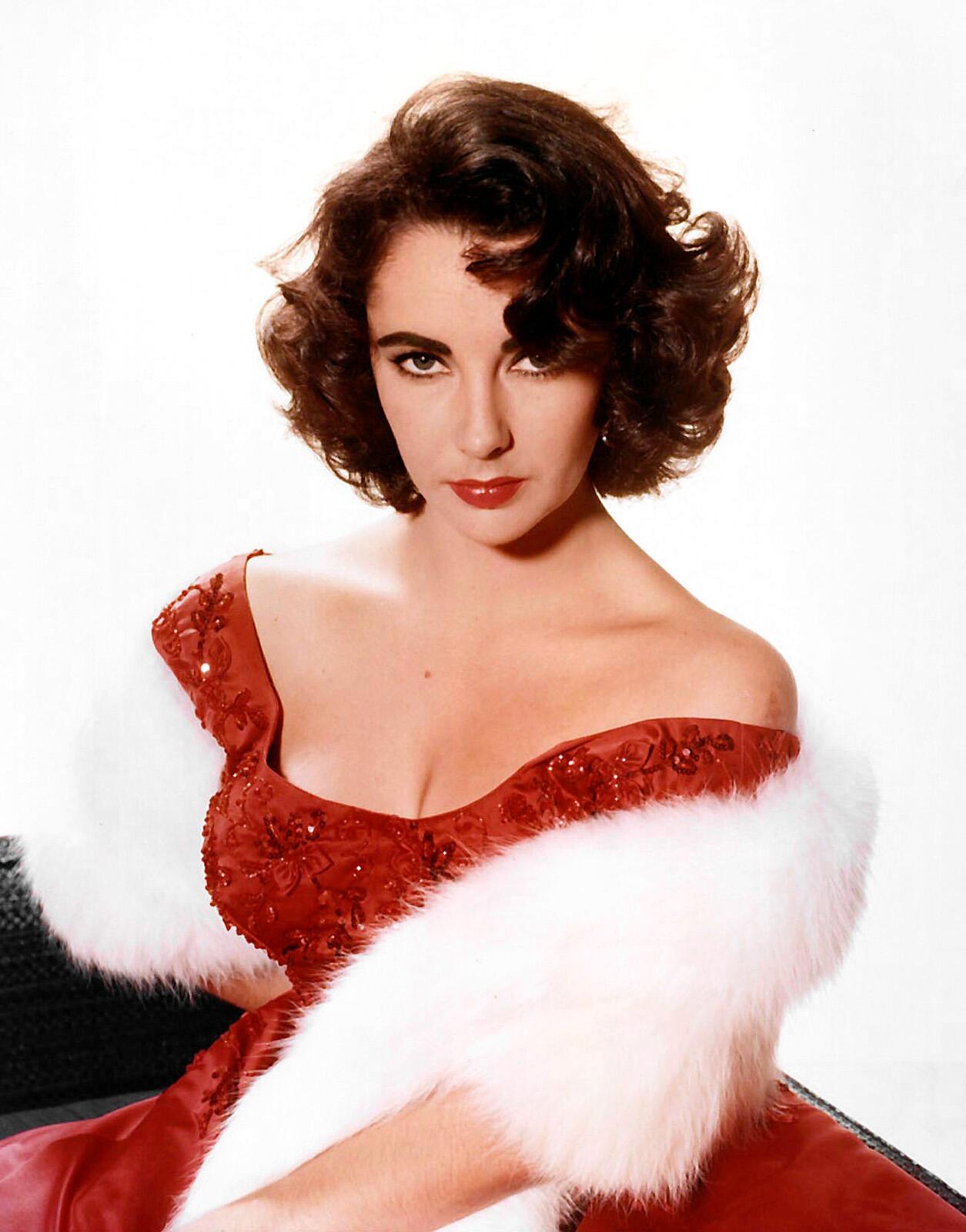
Hollywood Starlet Elizabeth Taylor and the La Peregrina pearl.
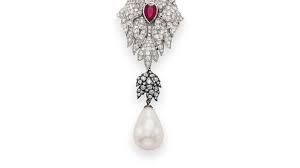
No modern collector, however, rivalled Elizabeth Taylor. Her passion for extraordinary jewels was legendary, and among her most prized possessions was the historic La Peregrina pearl. In 1969, actor Richard Burton purchased La Peregrina as a Valentine’s Day gift for Elizabeth Taylor. She later had Cartier design a necklace to showcase the famous pearl. After Taylor’s death in 2011, the jewel was auctioned at Christie’s New York. Expected to fetch $2–3 million, it sold for an impressive $11.8 million and entered a private collection. The pearl’s story began in Panama, where it was reportedly discovered by a young enslaved boy. News of the remarkable find quickly reached the Spanish court, and over the centuries La Peregrina passed through royal collections before becoming one of the world’s most celebrated jewels.