Birthstones
The History, Meaning and Beauty Behind Each Month
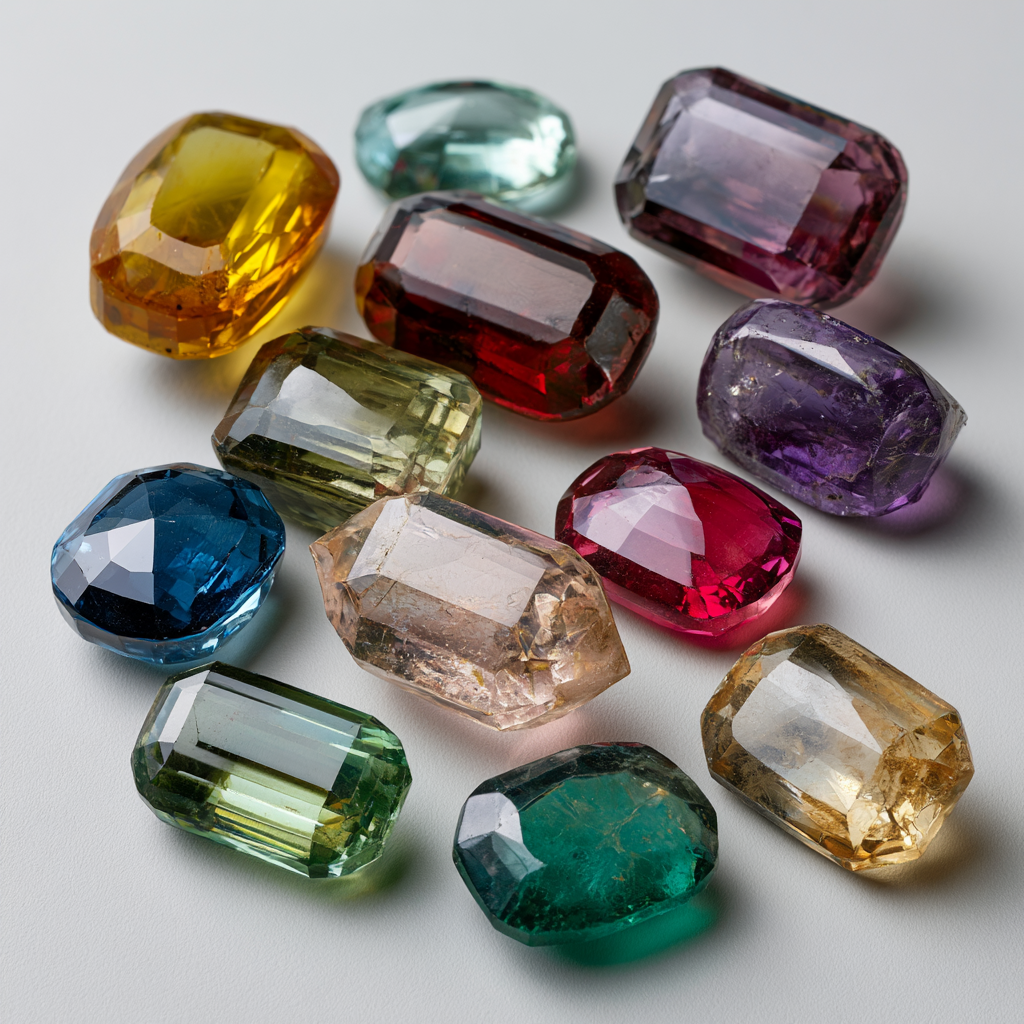
For centuries, gemstones have been treasured not only for their beauty but also for the meanings and symbolism they carry. From the protective power of garnets to the timeless elegance of pearls, birthstones have long been associated with luck, love, health and prosperity.
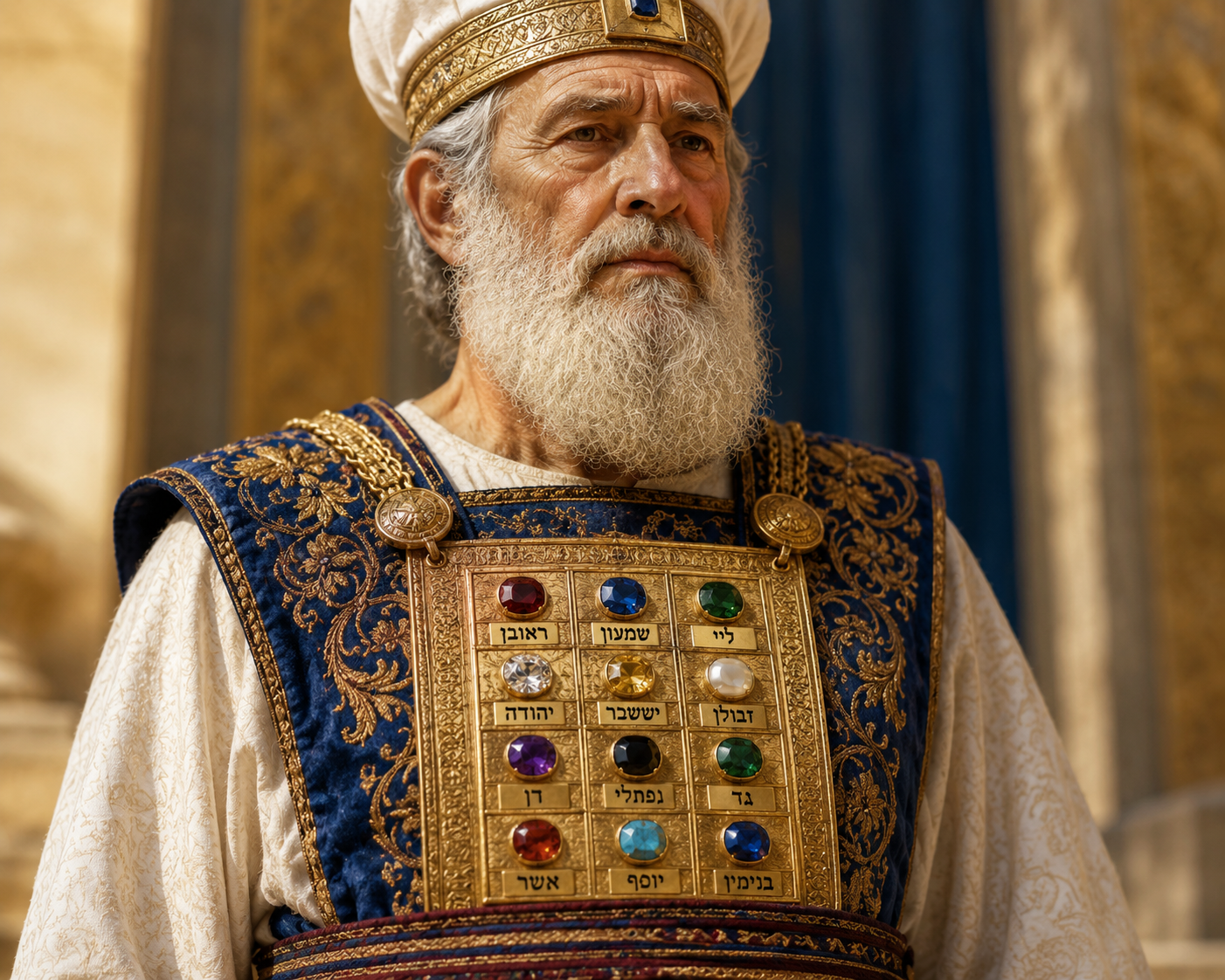
The tradition of birthstones can be traced back to ancient times, with many historians linking their origins to the Breastplate of Aaron described in the Book of Exodus. Set with twelve precious stones, the breastplate was believed to represent the twelve tribes of Israel.
Over time, these gemstones became associated with the months of the year, creating the birthstone tradition we know today. Whether chosen to celebrate a birthday, commemorate a special occasion, or simply because of a love for a particular gemstone, birthstone jewellery remains one of the most thoughtful and enduring gifts.
JANUARY
Traditional & Modern - Garnet
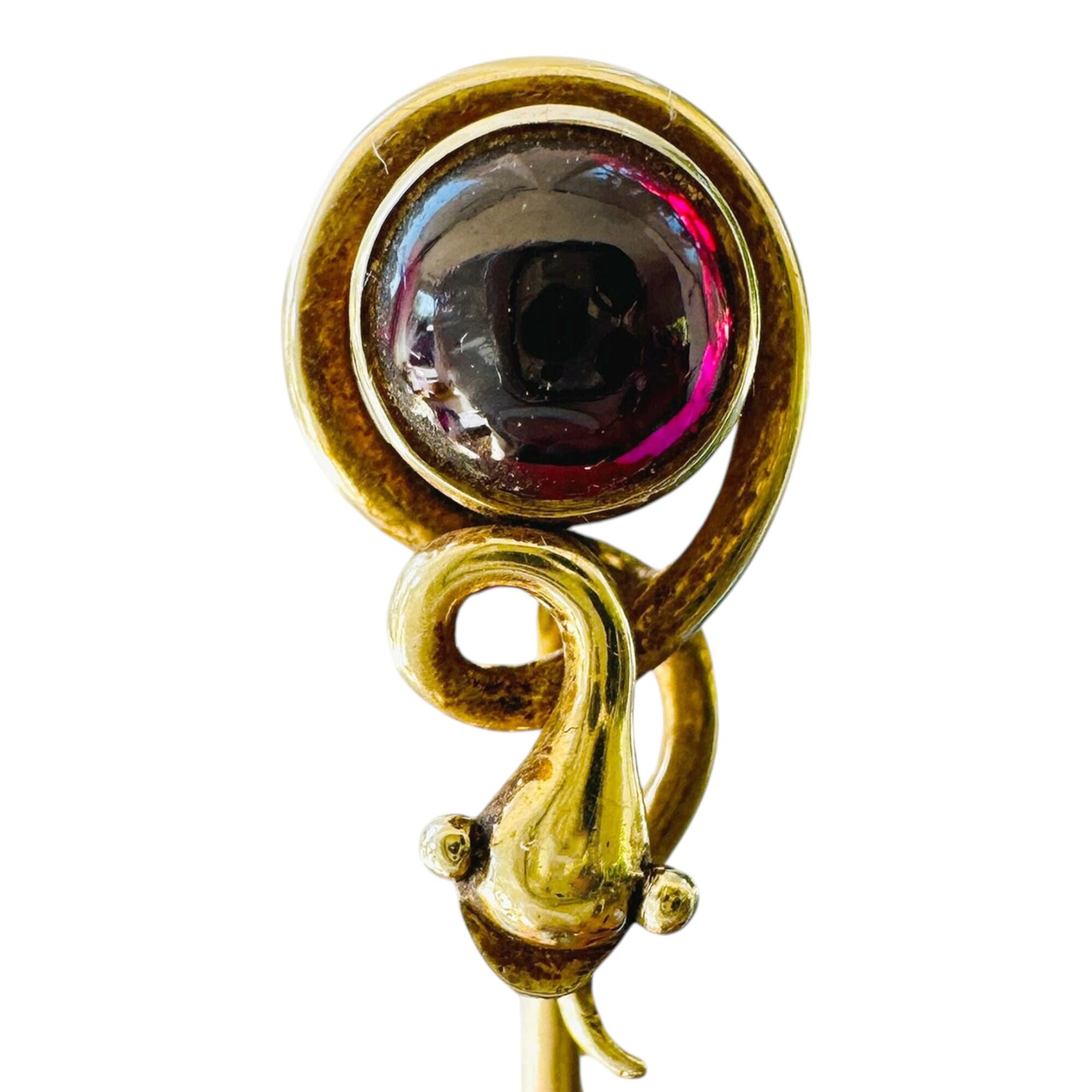
Renowned for its rich red hue, garnet has symbolised friendship, loyalty and protection for thousands of years. Ancient travellers often carried garnets as talismans, believing they would illuminate the night and ensure a safe journey home.
Properties
. Colour: Red, green, orange and pink varieties
. Hardness: 6.5-7.5 on the Mohs scale
. Symbolises: Protection, strength and devotion.
FEBRUARY
Traditional & Modern - Amethyst
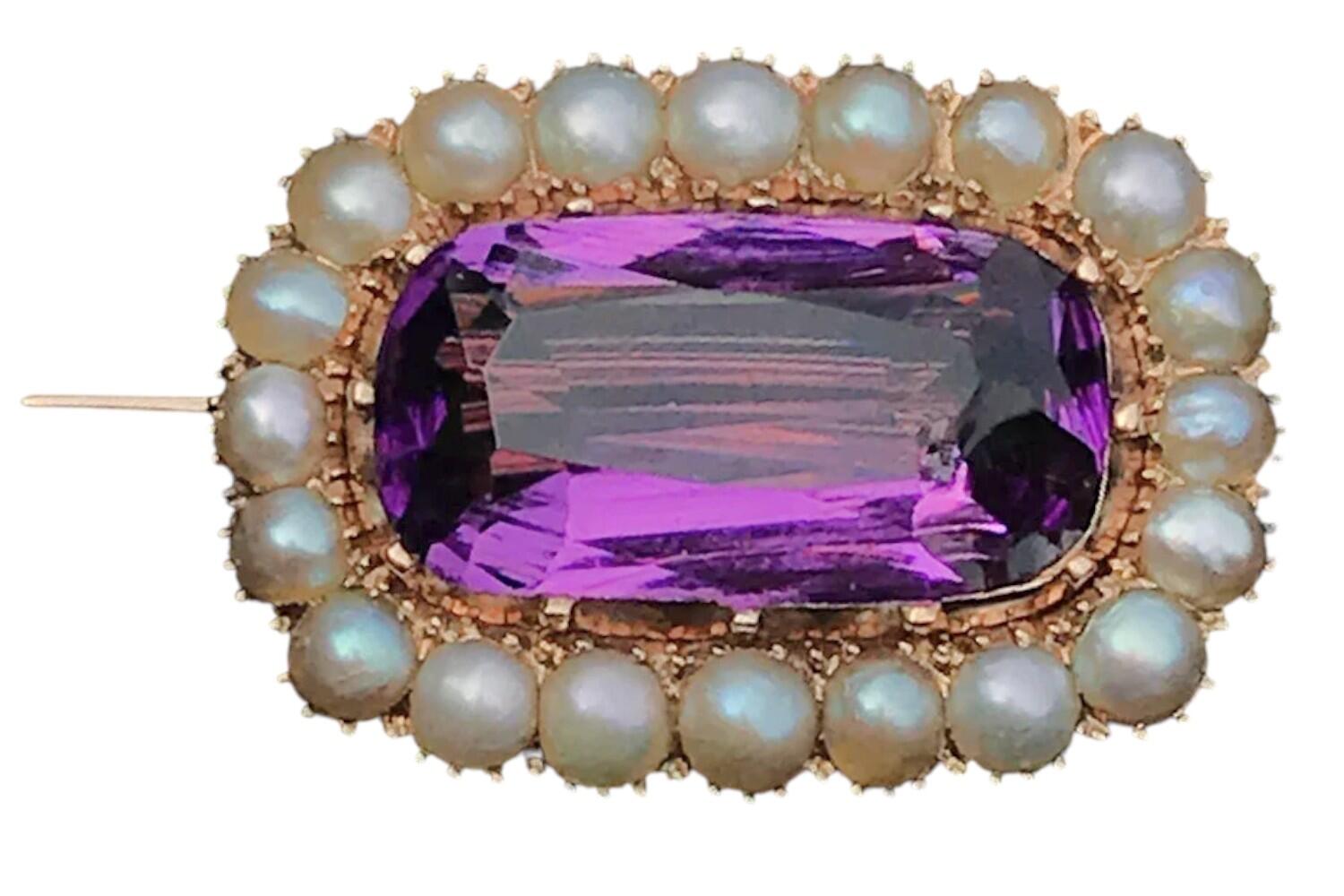
Associated with wisdom and tranquillity, amethyst has long been believed to promote clarity of thought and inner peace. Ancient Greeks believed the stone could protect against intoxication, giving rise to its name from the Greek word amethystos, meaning "not drunken." Medieval bishops often wore amethyst rings as symbols of wisdom and spirituality.
Properties
. Colour: Purple, from lilac to deep violet
. Hardness: 7
. Symbolises: Wisdon, tranquility and sincerity.
MARCH
Modern - Aquamarine
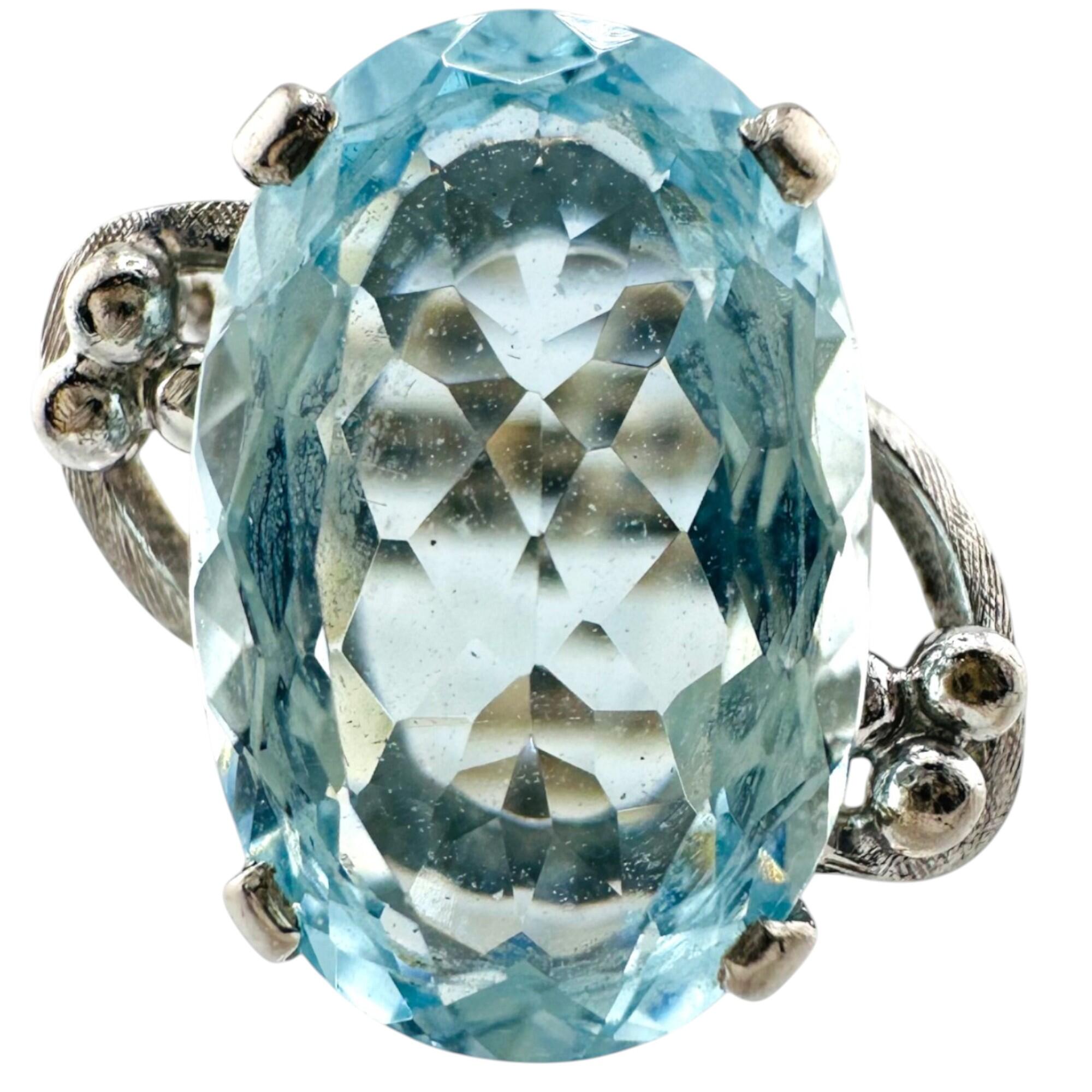 Aquamarine takes its name from the Latin for "sea water". Sailors once carried it for protection on long voyages, believing it calmed storms and ensured safe passage.
Properties
. Colour: Pale blue to sea green
. Hardness: 7.5–8
. Symbolises: Serenity, courage & protection.
Traditional - Bloodstone
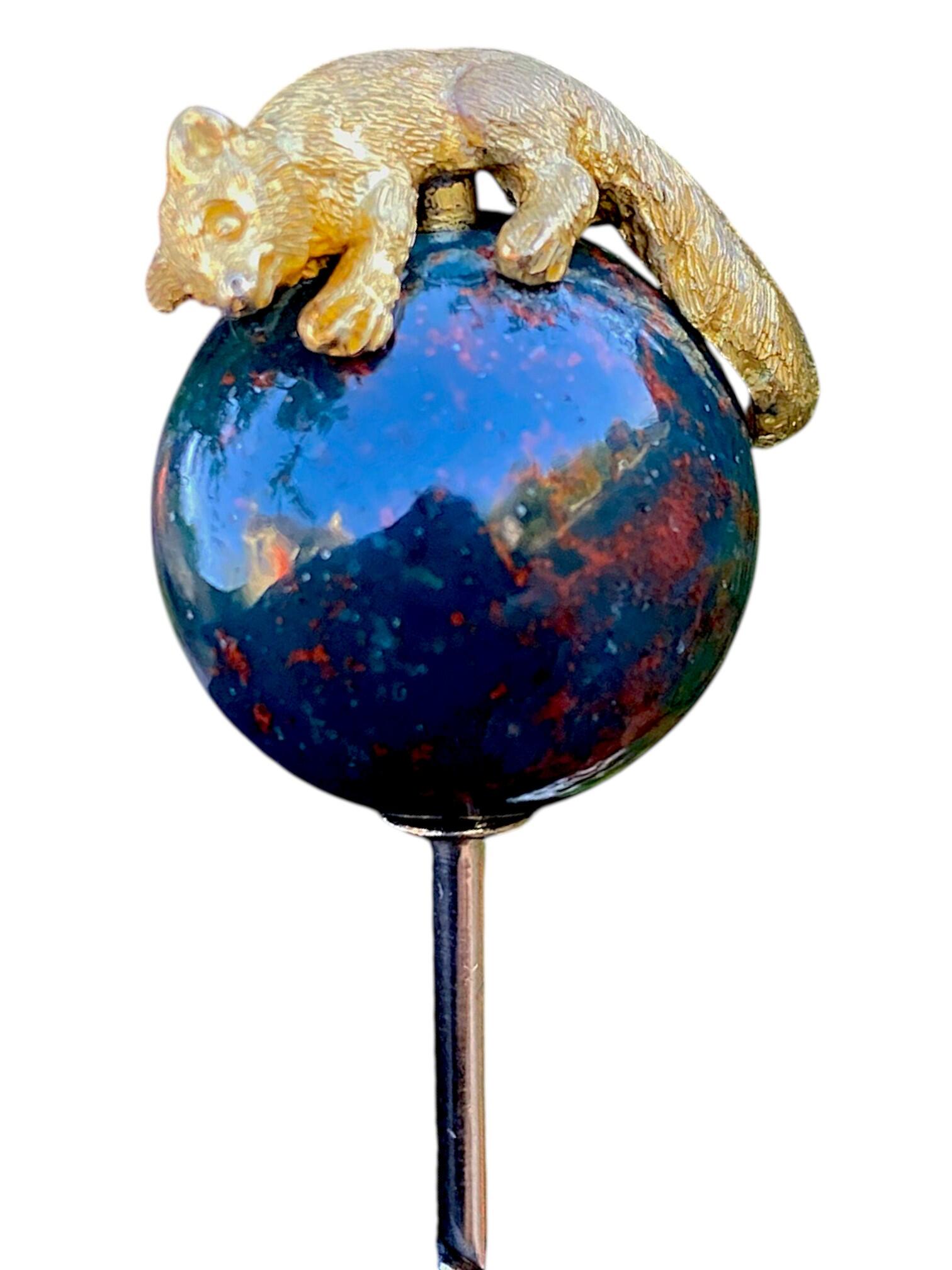
Bloodstone, its traditional counterpart, was revered in the ancient world as a stone of courage and strength.
Properties
. Colour: Dark green with red flecks
. Symbolises: Vitality, bravery and resilience
APRIL
Traditional & Modern - Diamond
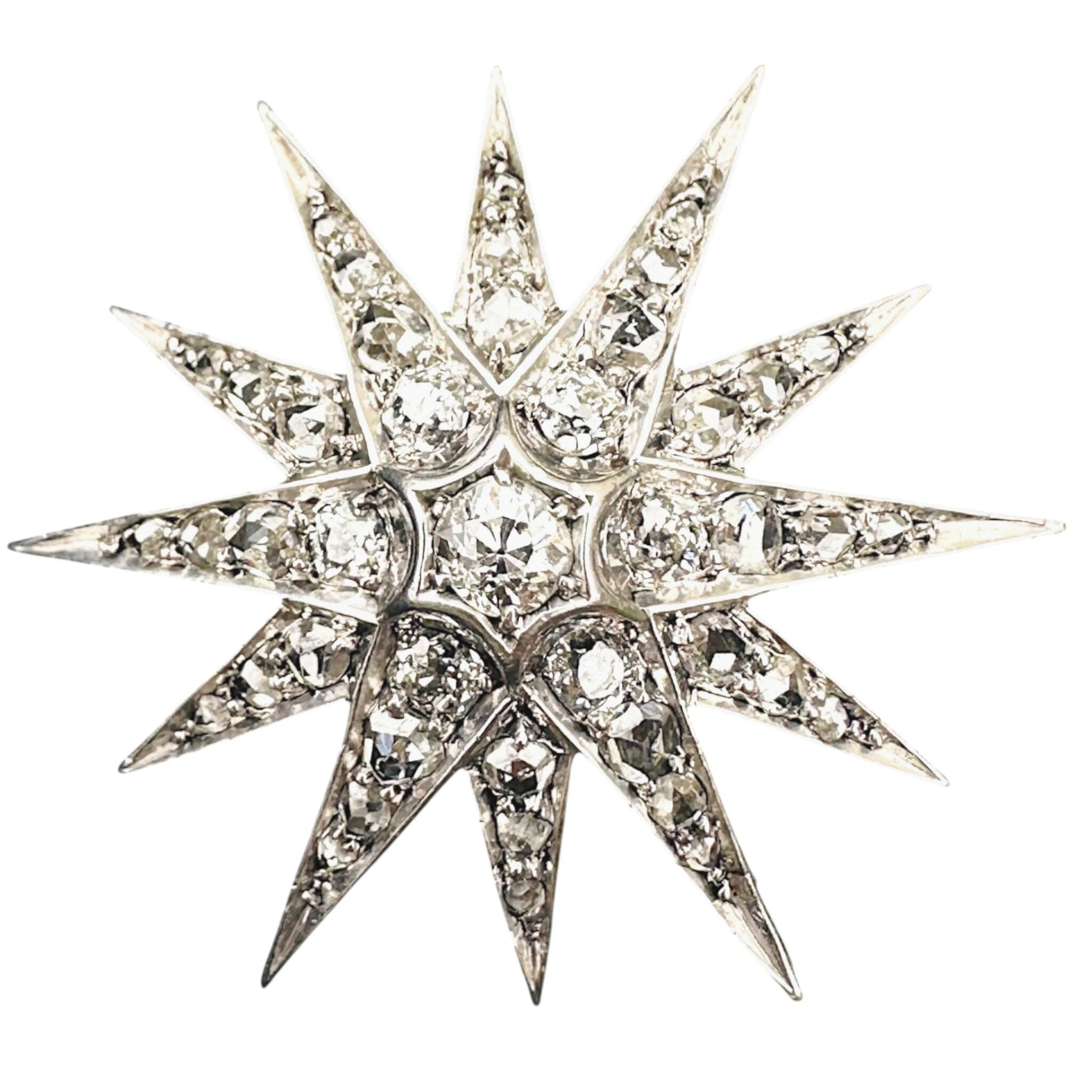
The hardest natural substance on earth, diamonds have long represented eternal love and strength. Their enduring popularity makes them one of the most recognised birthstones today.
Properties
. Colour: Traditionally colourless, though found in many colours
. Hardness: 10
. Symbolises: Love, purity and endurance.
MAY
Traditional & Modern -Emerald
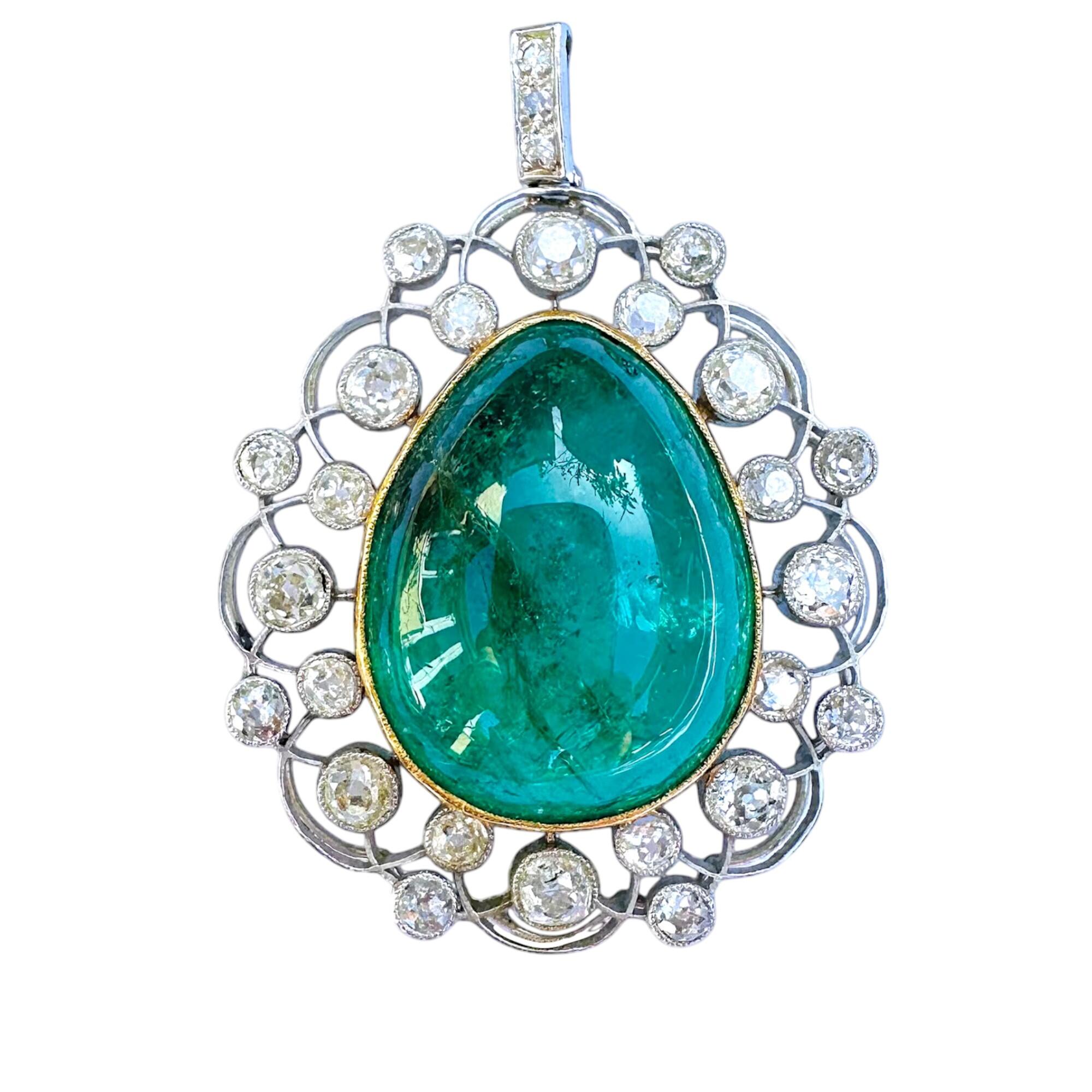
Favoured by royalty for centuries, emeralds were especially beloved by Cleopatra, who adorned herself with the vivid green gemstone.
Properties
. Colour: Rich green
. Hardness: 7.5–8
. Symbolises: Rebirth, prosperity and love.
JUNE
Traditional - Pearl 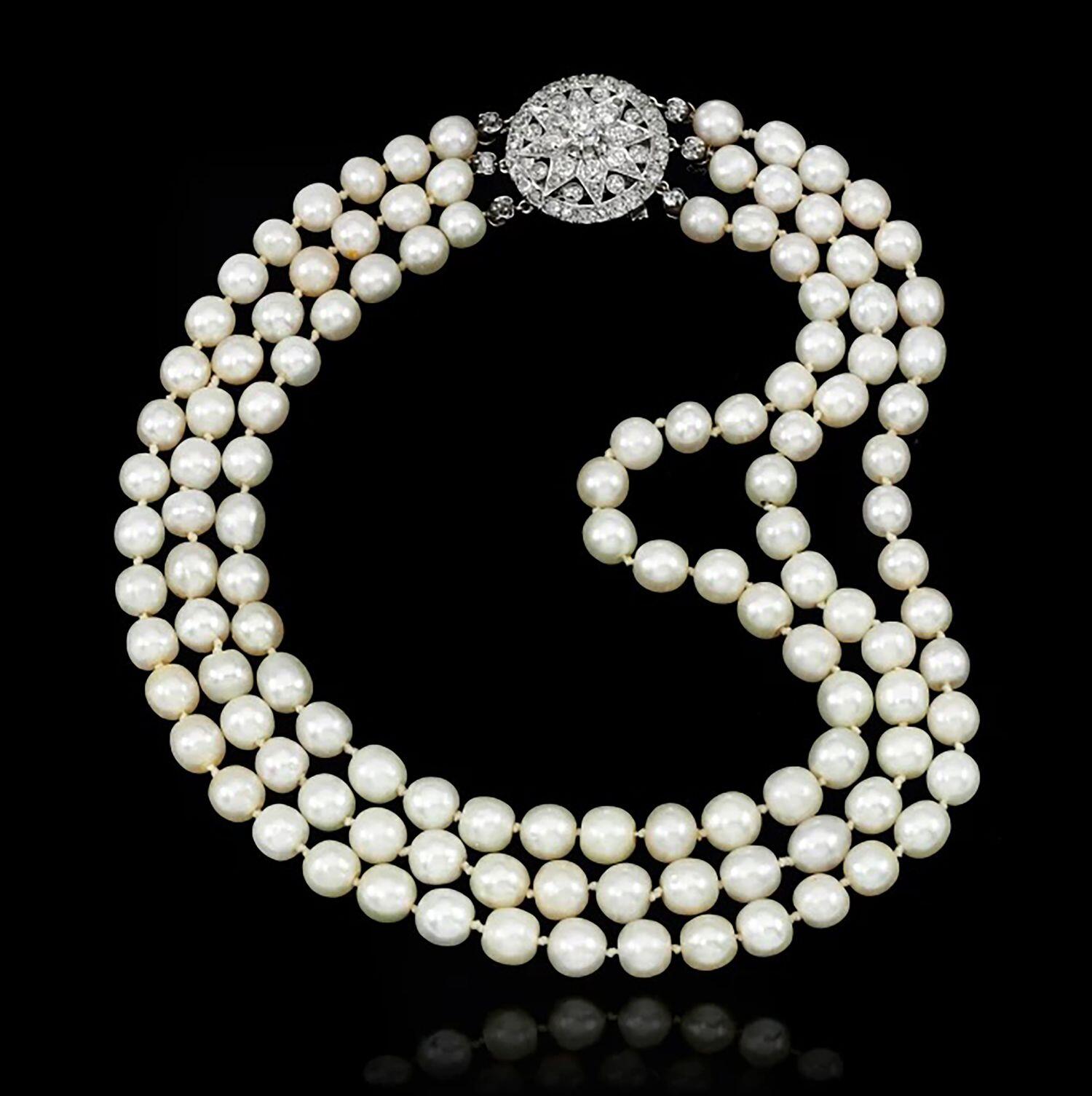
Pearls have been associated with purity and wisdom for thousands of years and remain particularly sought after in antique jewellery.
Pearl
. Organic gemstone formed within molluscs
. Symbolises purity and wisdom
Alternative - Moonstone
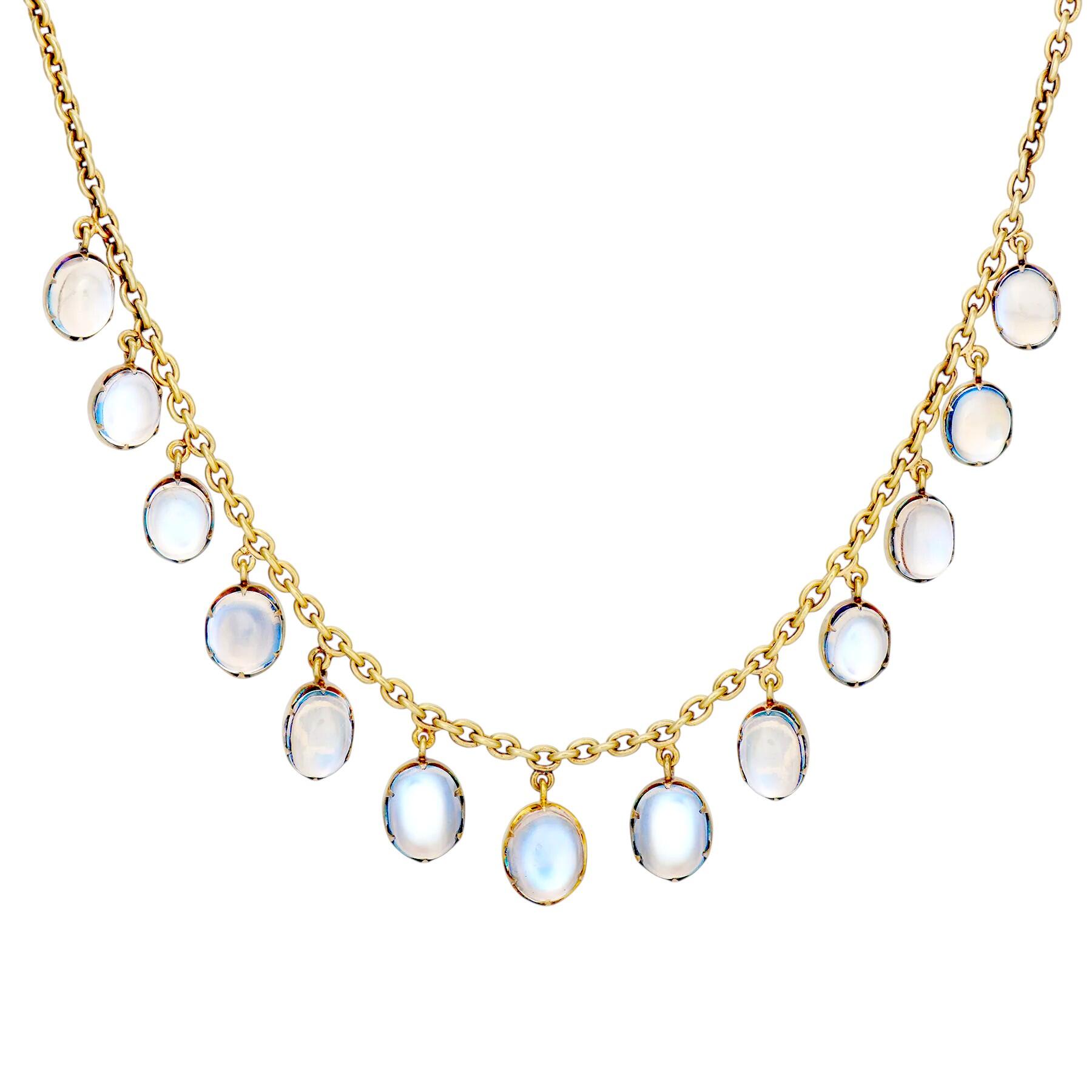
Moonstone
. Displays a soft, moonlit glow
. Symbolises intuition and feminine energy
Modern - Alexandrite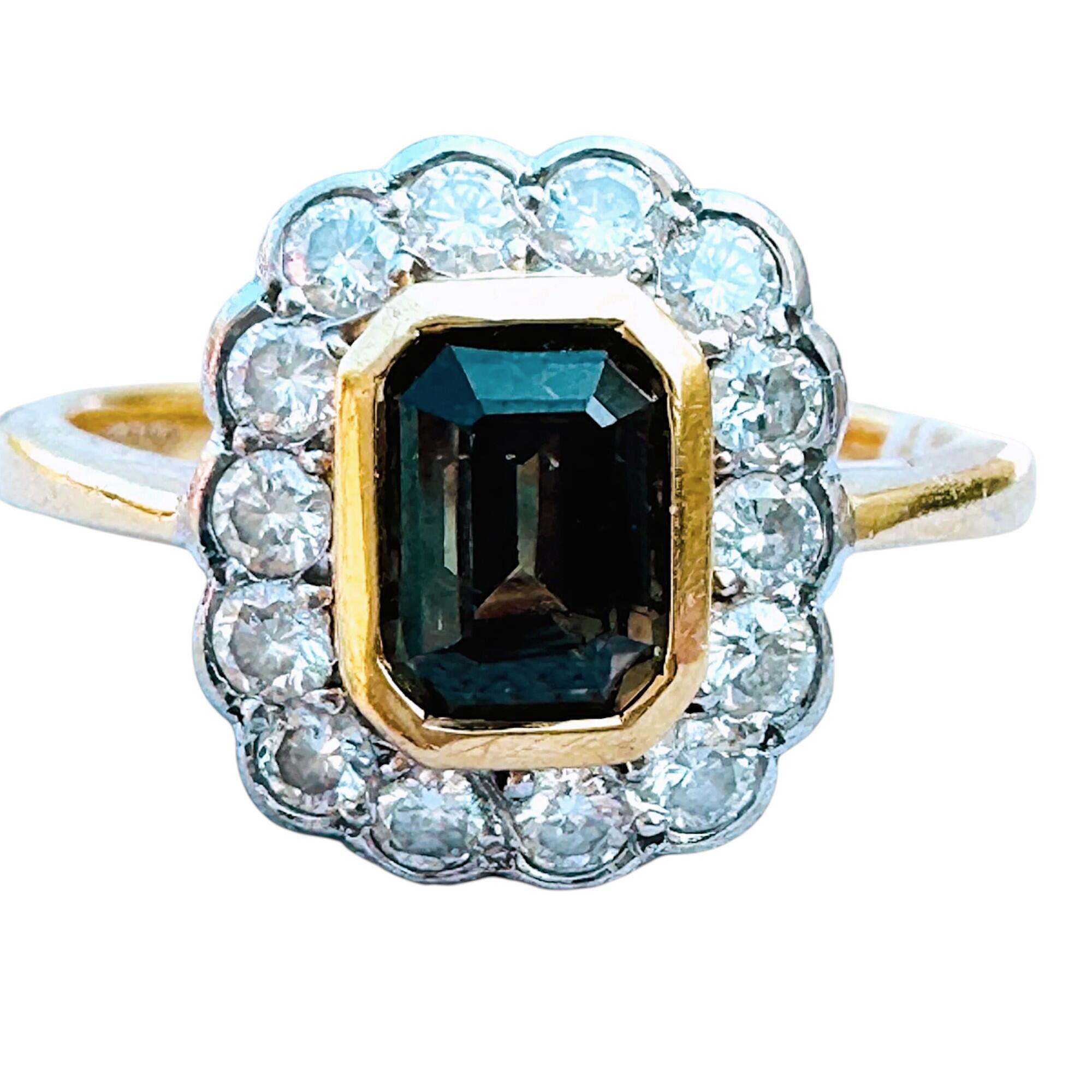
Alexandrite is famous for its remarkable colour-changing properties.
Alexandrite
. Appears green in daylight and red under artificial light
. Symbolises luck and transformation.
JULY
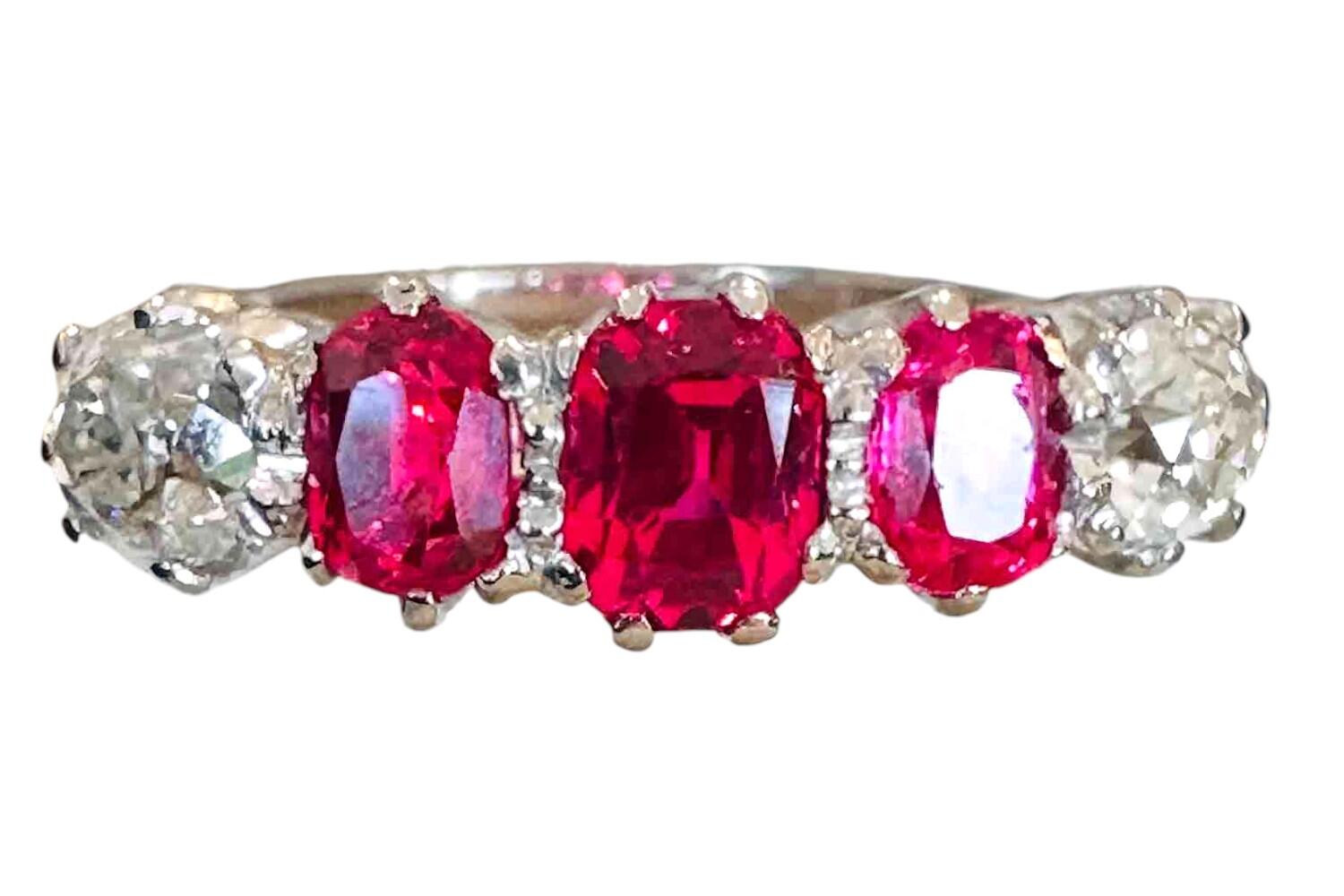
Traditional & Modern: Ruby
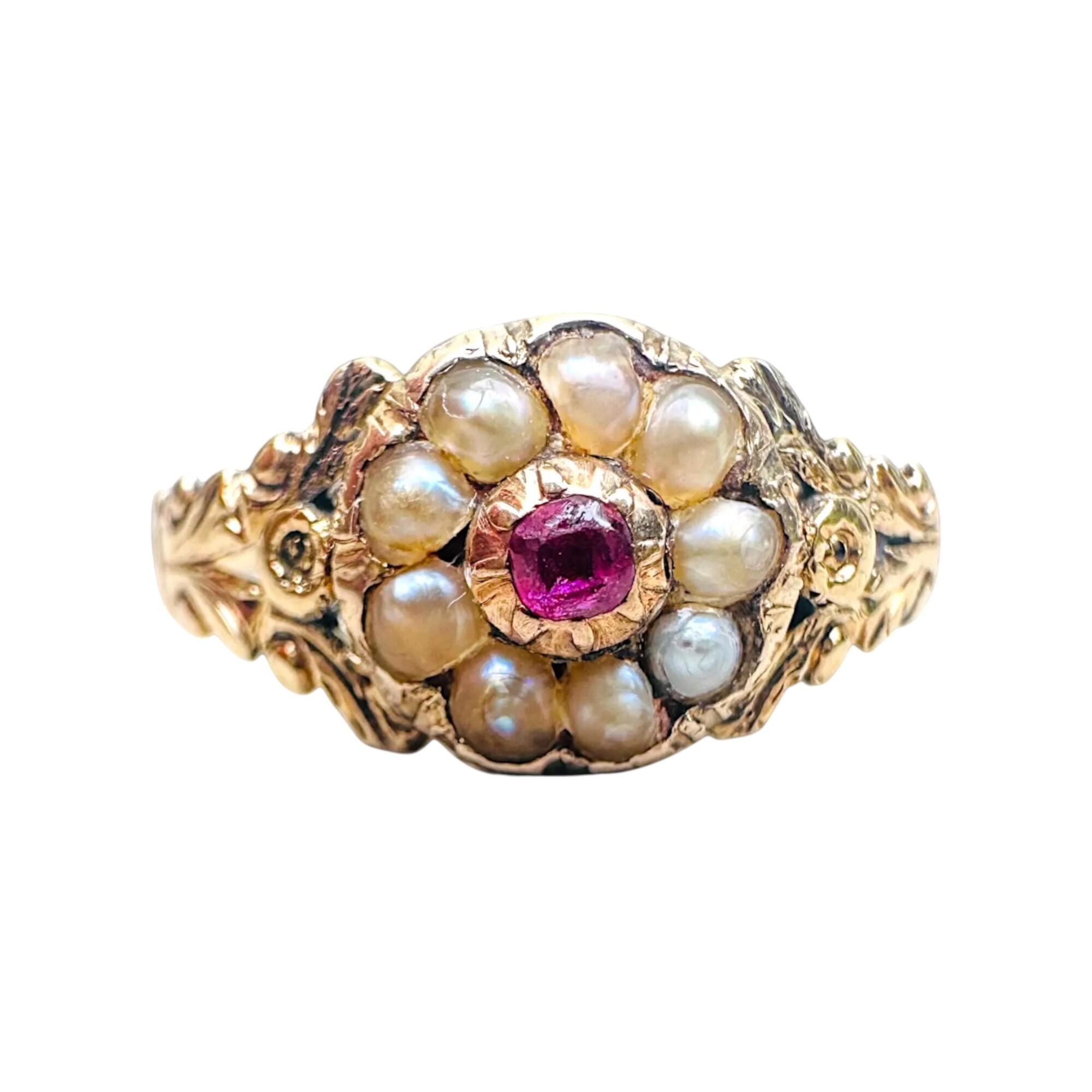
The ruby's fiery red hue has made it a symbol of passion, courage and vitality throughout history. Ancient cultures believed rubies contained an eternal flame that could never be extinguished.
Known as the "King of Gems", rubies have long symbolised passion, courage and prosperity.
Properties
- Colour: Rich red
- Hardness: 9
- Symbolises: Love, vitality and protection
AUGUST
Modern: Peridot
Traditional: Sardonyx
Alternative: Spinel
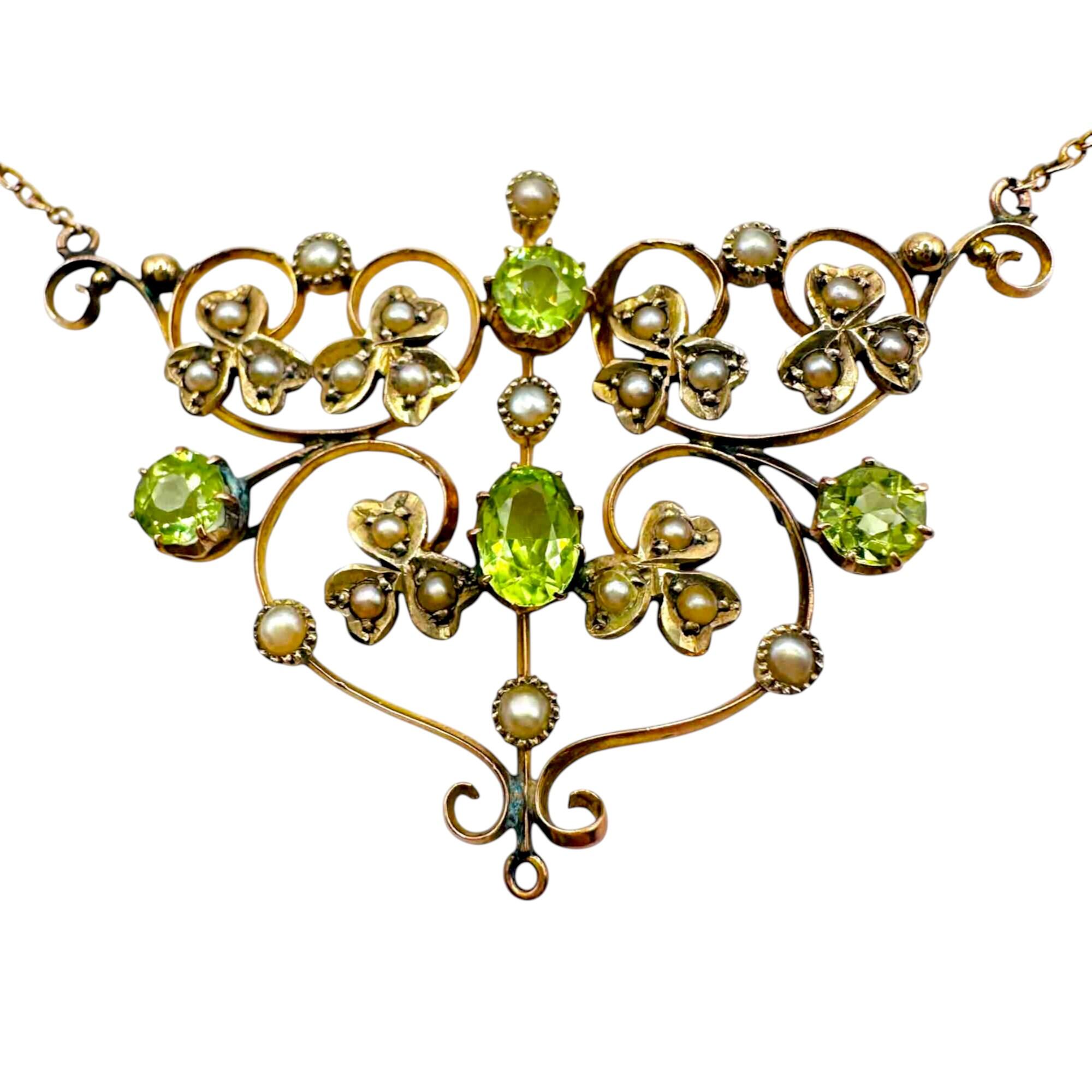 | 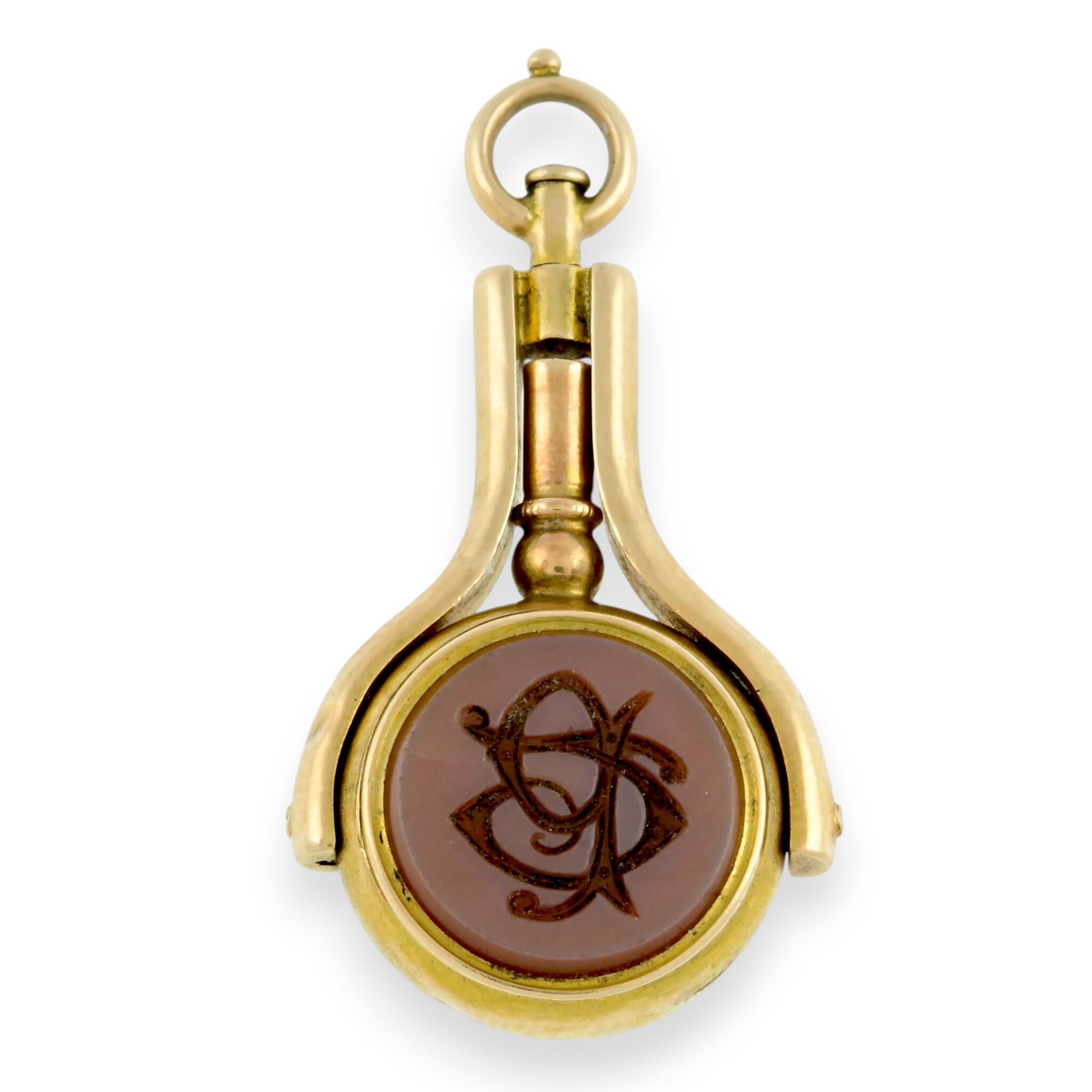 |  |
Peridot's vibrant green colour has been admired since ancient Egypt, where it was known as the "gem of the sun". Spinel became an official alternative birthstone in 2016.
SEPTEMBER
Traditional & Modern: Sapphire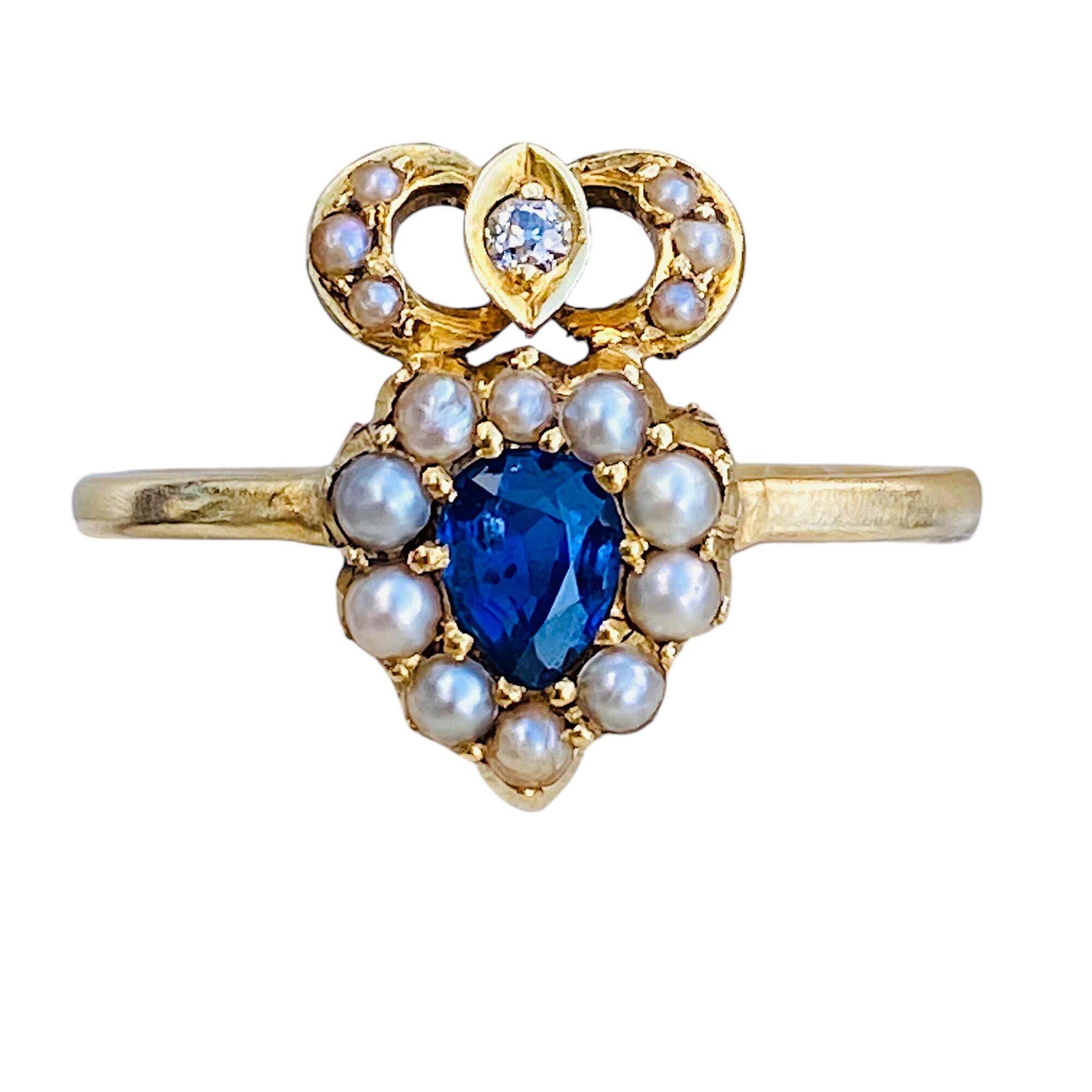
Associated with wisdom and loyalty, sapphires have adorned royal jewellery collections for centuries.
Properties
. Colour: Most commonly blue, but found in many colours
. Hardness: 9
. Symbolises: Truth, loyalty and wisdom
OCTOBER
Traditional: Opal
Modern: Tourmaline
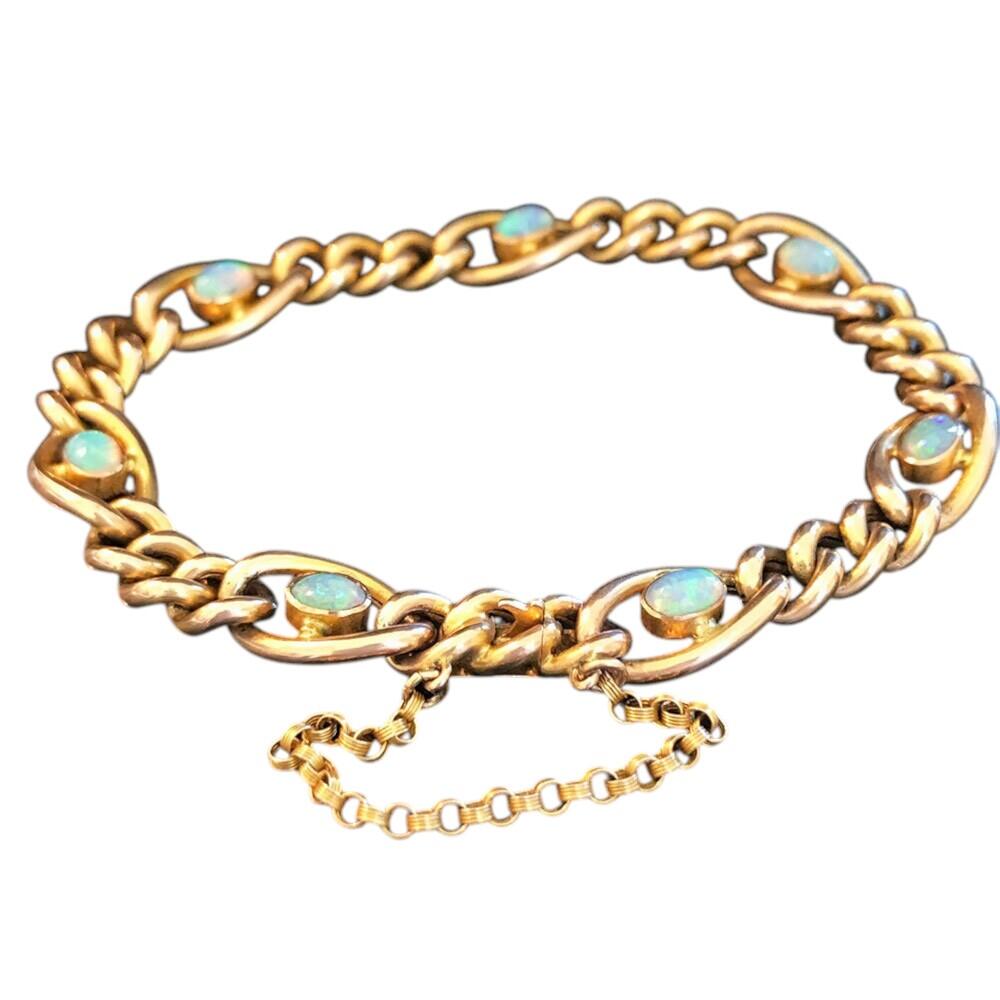
Opals are renowned for their mesmerising play of colour, while tourmalines occur in an extraordinary spectrum of shades.
Opal
. Symbolises creativity and hope
Tourmaline
. Symbolises compassion and emotional balance
November – Topaz
NOVEMBER
Traditional: Topaz
Modern: Citrine
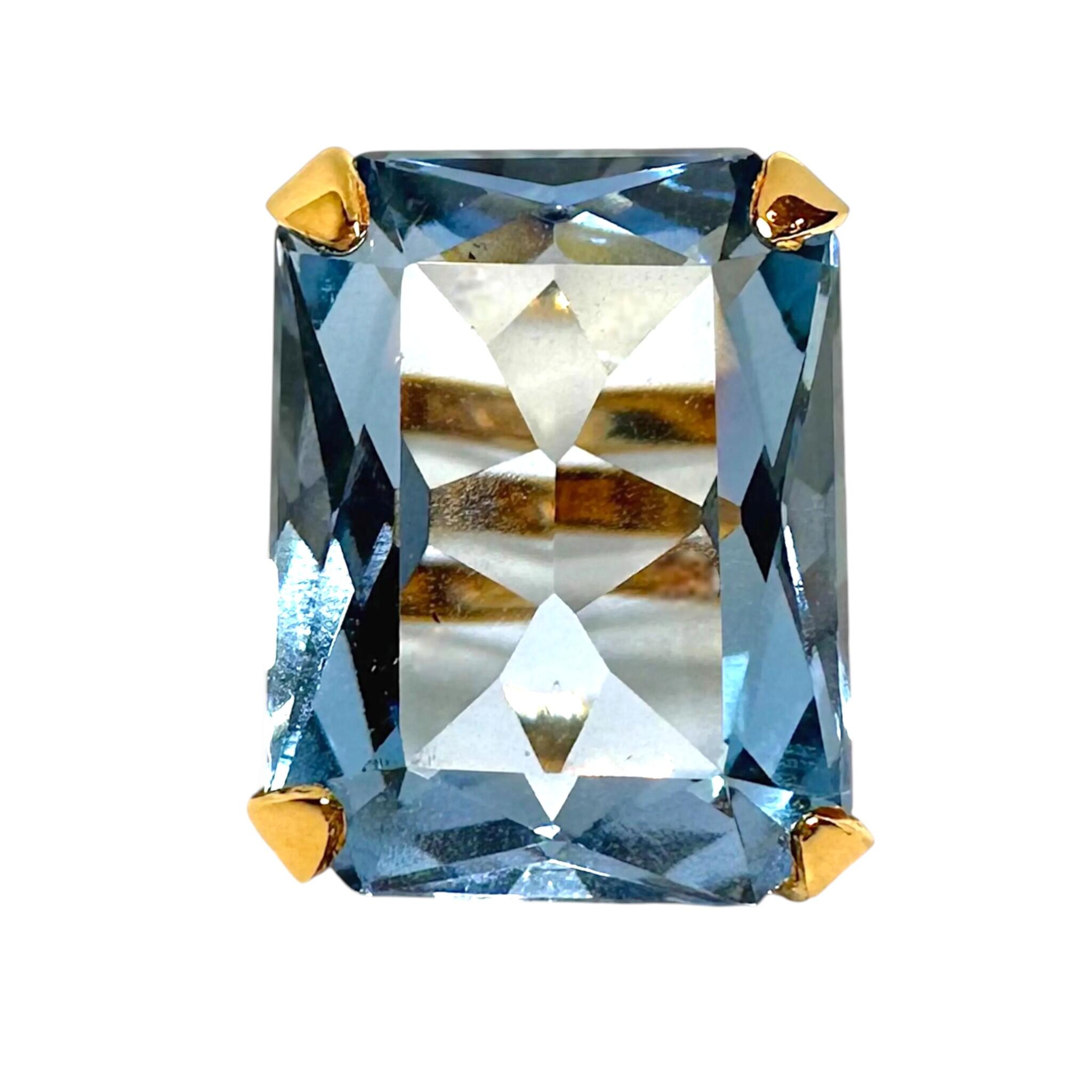
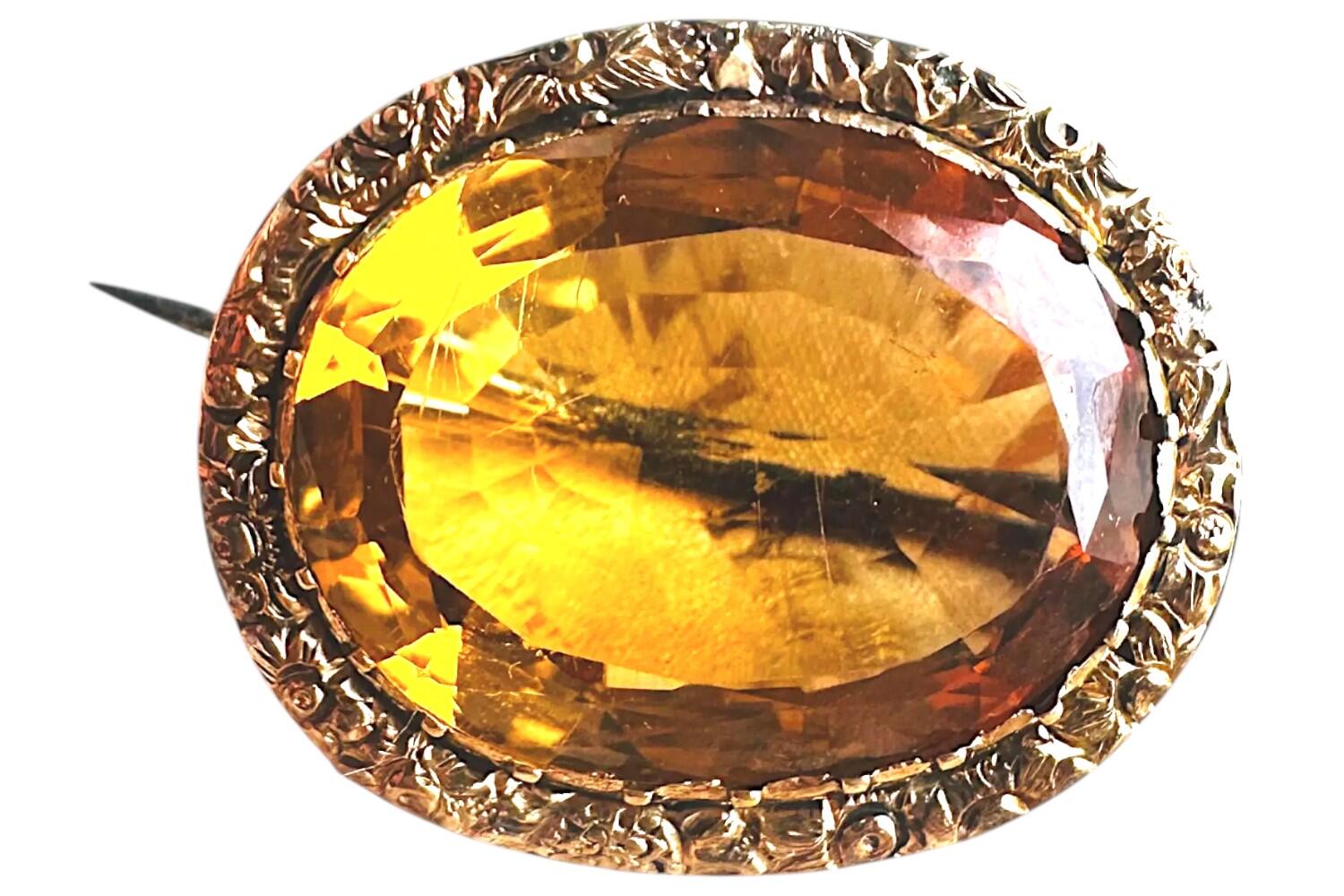 Warm golden hues make both November birthstones particularly appealing.
Topaz
. Symbolises strength and affection
Citrine
. Symbolises abundance and joy
Golden topaz has traditionally been associated with warmth, abundance and good fortune. During the Victorian era it was particularly popular in sentimental jewellery.
DECEMBER
Traditional: Turquoise
Modern: Tanzanite & Zircon
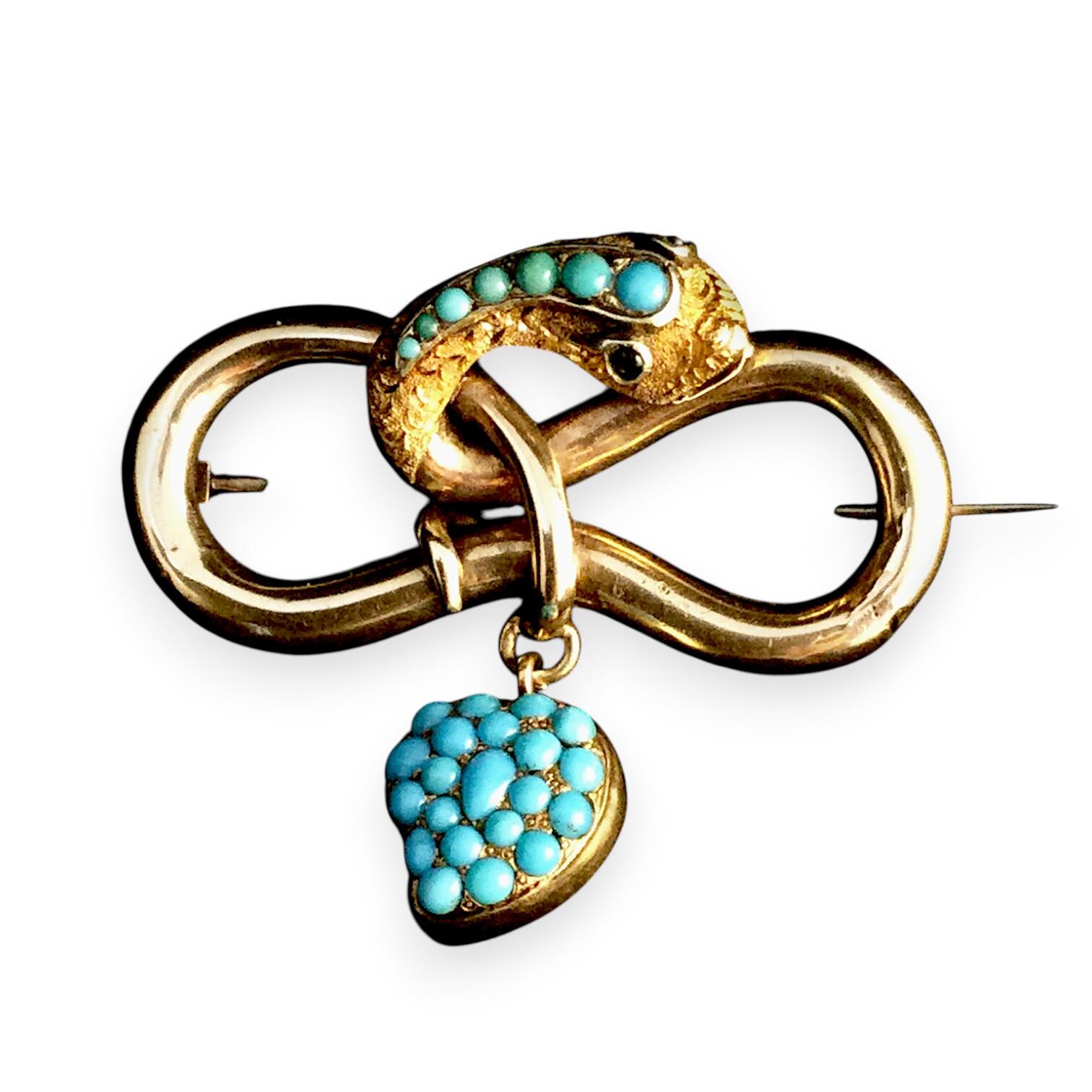
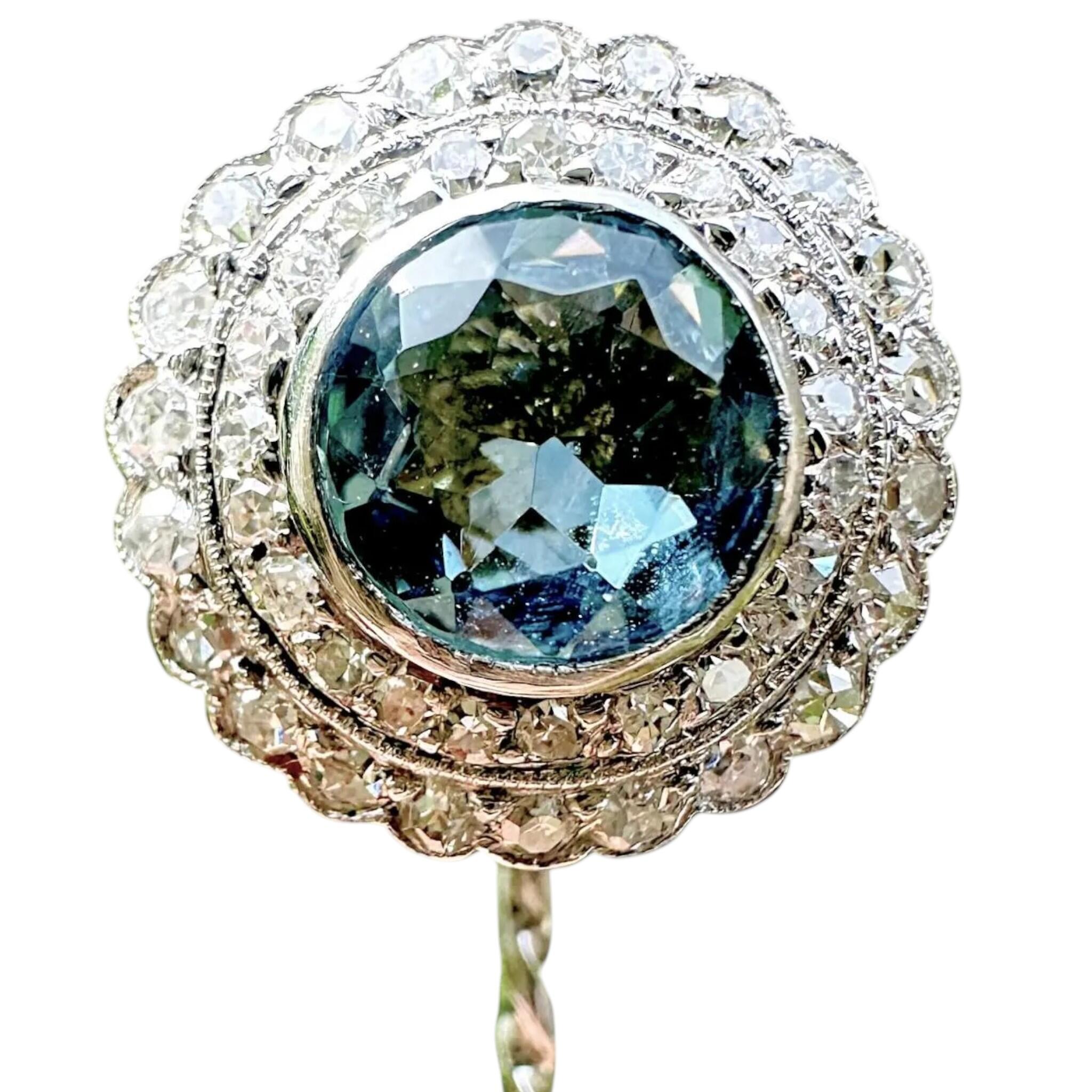
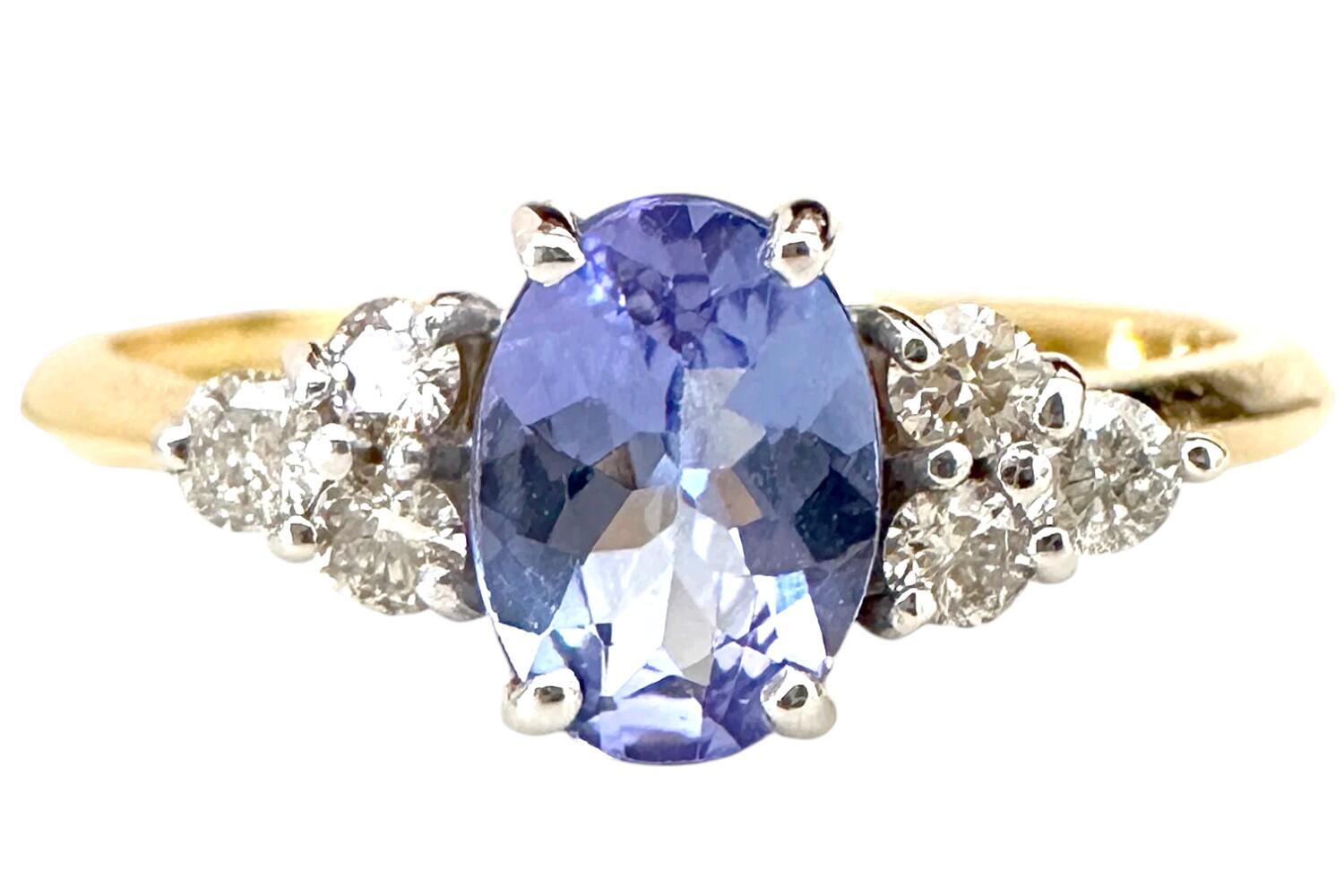 One of the oldest gemstones known to man, turquoise has been treasured for thousands of years. Believed to bring protection and good fortune, it was prized by ancient Egyptians, Persians and Native American cultures alike.