
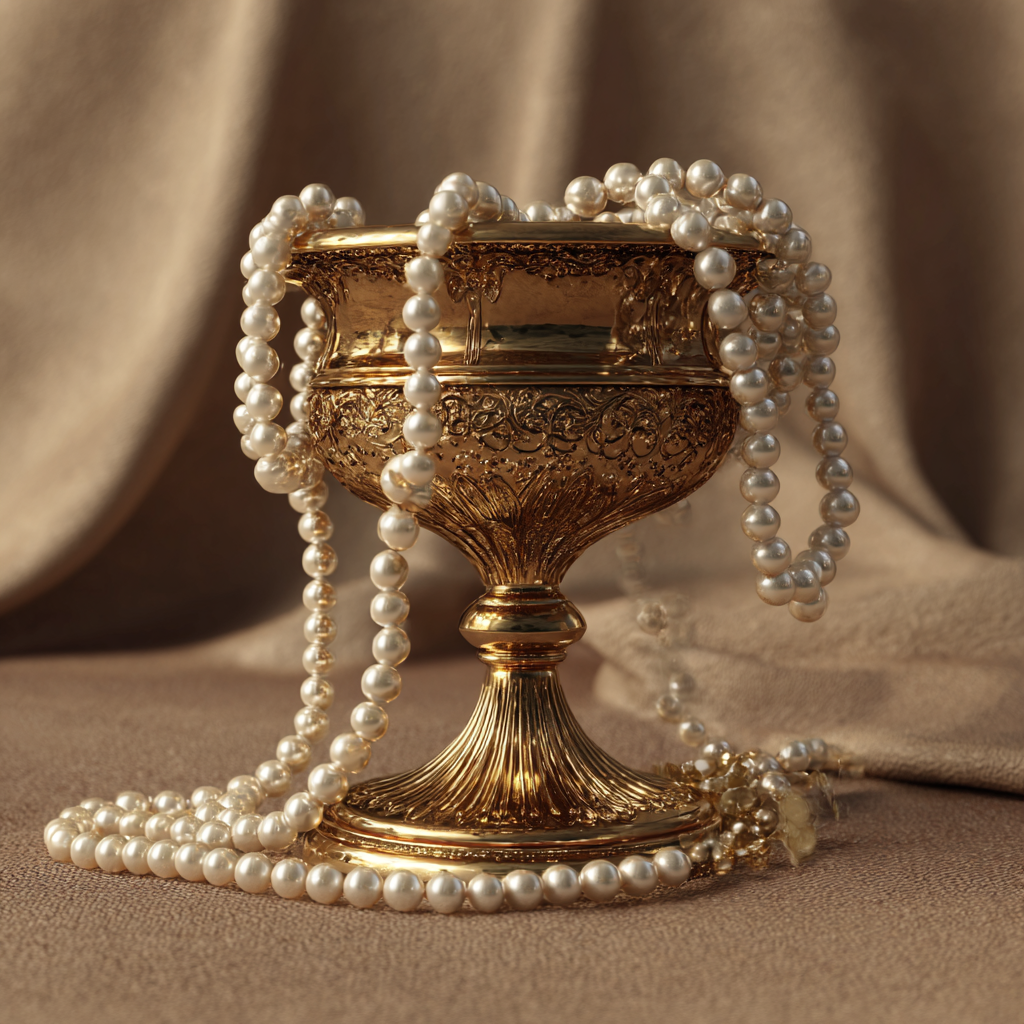
Cleopatra and the Pearl Wager


Cleopatra and the Most Expensive Pearl in History

Few gemstones have inspired as much fascination as pearls. Long before diamonds became the ultimate symbol of luxury, pearls were the most coveted treasures in the world. Rare, luminous and impossibly difficult to obtain, they adorned emperors, queens and the wealthiest members of society. Yet no story illustrates their value more dramatically than the legendary wager between Cleopatra and Mark Antony.
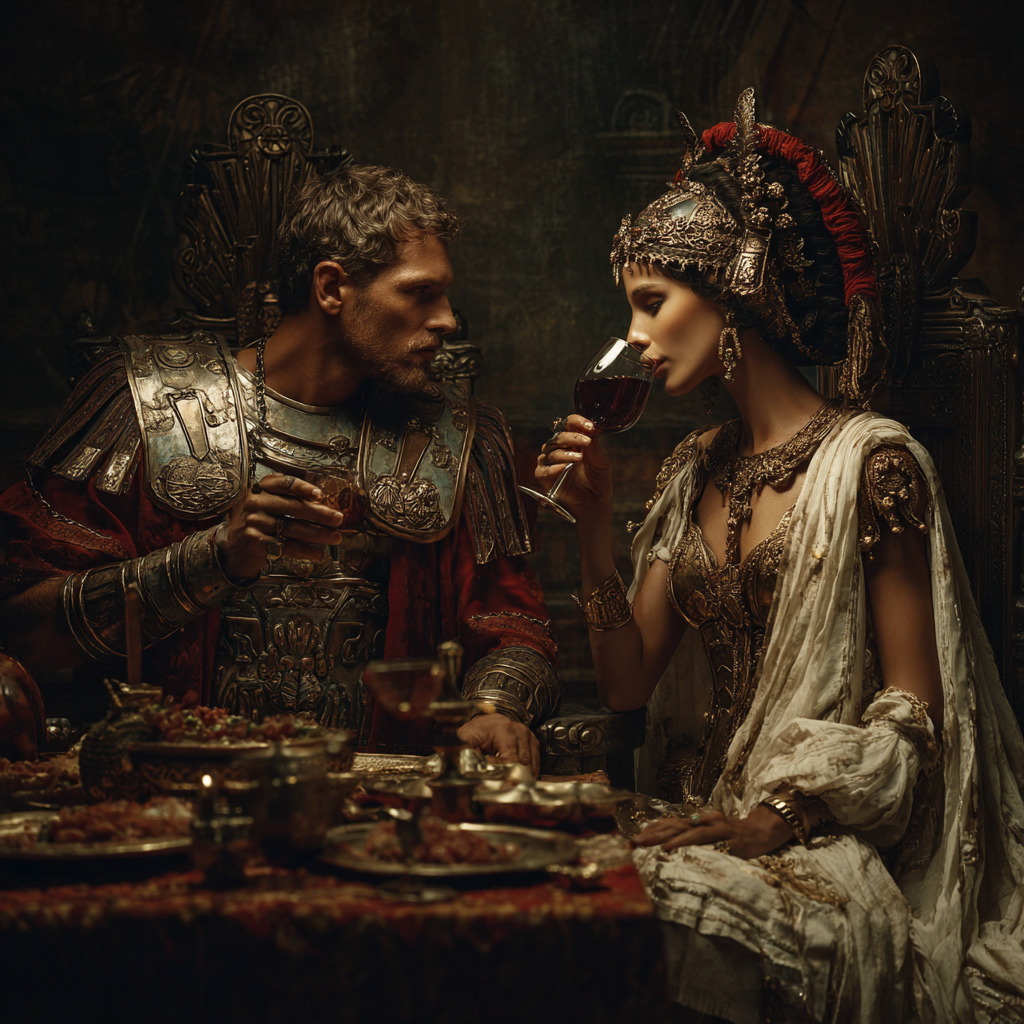


Cleopatra VII, the last active ruler of Ancient Egypt, was renowned not only for her beauty but also for her intelligence, political skill and flair for spectacle. She understood the power of image and symbolism, using magnificent jewels and lavish displays of wealth to reinforce her status as one of the most powerful women in the ancient world.

According to the Roman historian Pliny the Elder, Mark Antony once questioned Cleopatra's extravagant lifestyle, claiming that she could not possibly spend a fortune on a single meal. Confident in her ability to prove him wrong, Cleopatra accepted the challenge and invited Antony to a lavish banquet.

As the evening drew to a close, Cleopatra revealed the true purpose of the feast. She removed one of the magnificent pearl earrings she was wearing, said to be among the largest and most valuable pearls ever known. Pliny claimed that the matched pair of pearls was worth 10 million sesterces, an almost unimaginable sum in the ancient world and the equivalent of hundreds of millions in today's money.
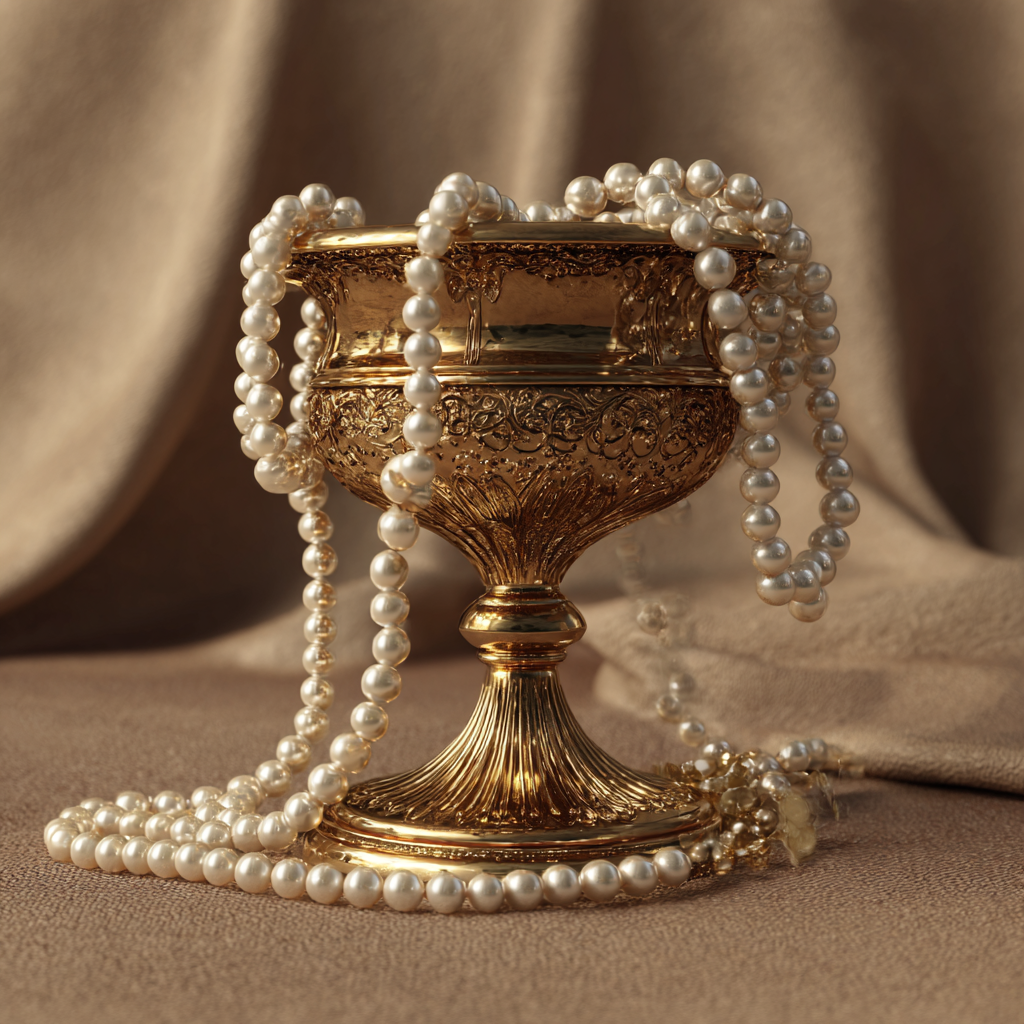


In a gesture designed to astonish her guests, Cleopatra dropped the pearl into a goblet of strong vinegar. Once it had softened and dissolved, she drank the mixture, effectively consuming an immense fortune in a single gulp. Antony was reportedly left speechless, and the wager was won before the second pearl could suffer the same fate.

Whether the story unfolded exactly as Pliny described has long been debated. Modern scientists question whether a pearl could dissolve so quickly, suggesting the account may have been embellished over time. Yet the enduring popularity of the tale speaks to something deeper than historical accuracy. It perfectly captures Cleopatra's reputation for wealth, confidence and theatricality.

The story also highlights the extraordinary status of pearls in the ancient world. Unlike today, when cultured pearls are widely available, natural pearls were exceptionally rare. Divers risked their lives searching for oysters, and only a tiny fraction contained pearls of any quality. Perfect, large natural pearls were among the most valuable objects on earth, often worth more than gold.

To Cleopatra, the pearl represented far more than wealth. It was a symbol of power, prestige and divine authority. By destroying such a priceless treasure, she demonstrated that her resources were virtually limitless and that no ruler could rival her magnificence.

More than two thousand years later, the tale continues to captivate historians, jewellers and collectors alike. Whether fact, legend or a combination of both, Cleopatra's pearl wager remains one of the most extraordinary jewellery stories ever told. It reminds us that throughout history pearls have been far more than beautiful adornments. They have symbolised power, influence and luxury, treasured by emperors, queens and connoisseurs across the centuries.

Few jewels can claim such a dramatic history, and perhaps no pearl has ever made a grander statement than the one Cleopatra famously drank to win a bet.


Read more blogs ........