
The Jewellery Care Guide
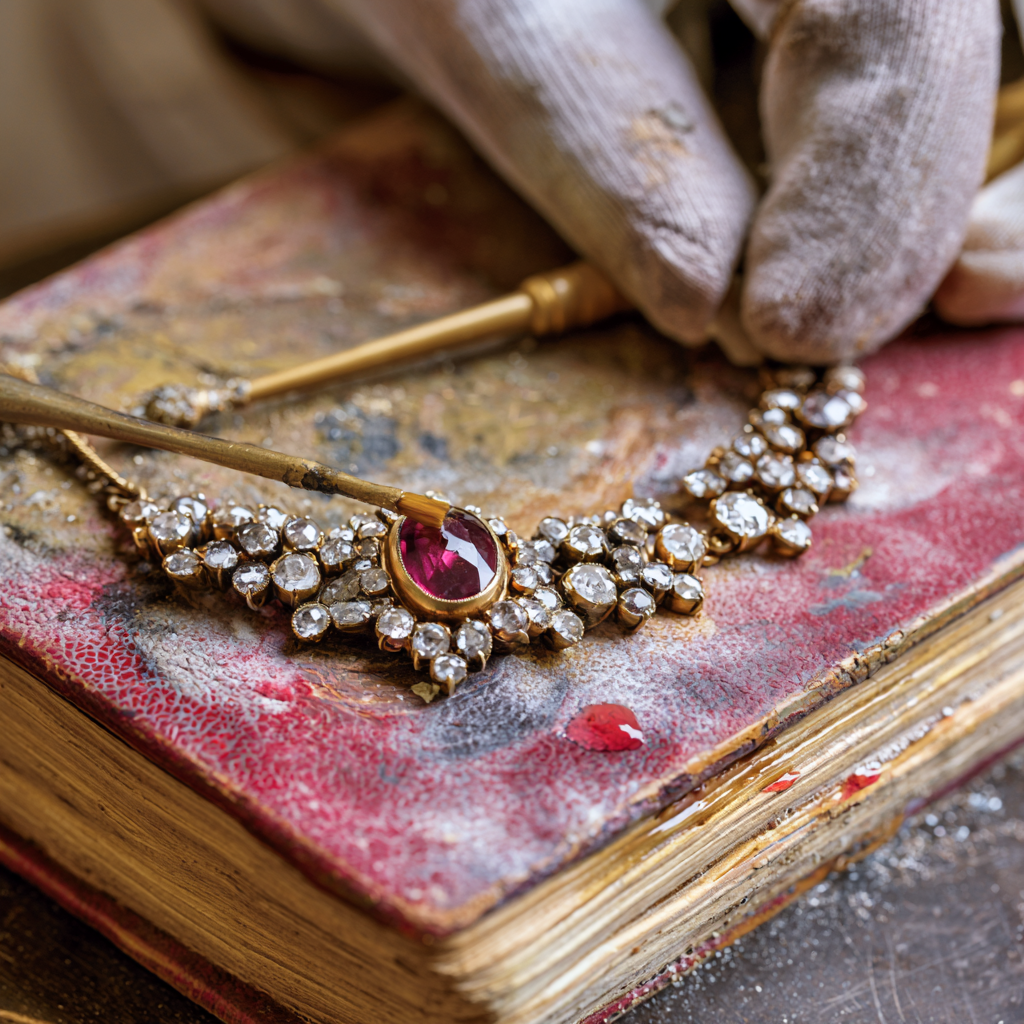
Antique jewellery has survived generations of love and wear, but caring for these treasured pieces requires a gentler approach than modern jewellery. Whether you own a Victorian ring, an Edwardian brooch or an Art Deco necklace, this guide explains how to safely clean and preserve your jewellery for generations to come.
Wear with Care
One of the greatest joys of owning antique jewellery is wearing it. However, many antique pieces were created in an era when jewellery was worn for special occasions rather than everyday activities.
We recommend removing jewellery before:
- Gardening
- Cleaning
- Exercising
- Swimming
- Applying perfume or hairspray
- Washing dishes
Even diamonds, the hardest natural gemstone, can chip if struck at the wrong angle, while softer gemstones such as opals, pearls and emeralds require additional care.

The Golden Rule: Last On, First Off
When getting dressed, jewellery should be the final touch. Apply makeup, perfume, hairspray and lotions before putting on your jewellery. Chemicals found in cosmetics and household products can damage gemstones and accelerate wear.At the end of the day, remove jewellery before changing clothes or going to bed.
Caring for Pearls
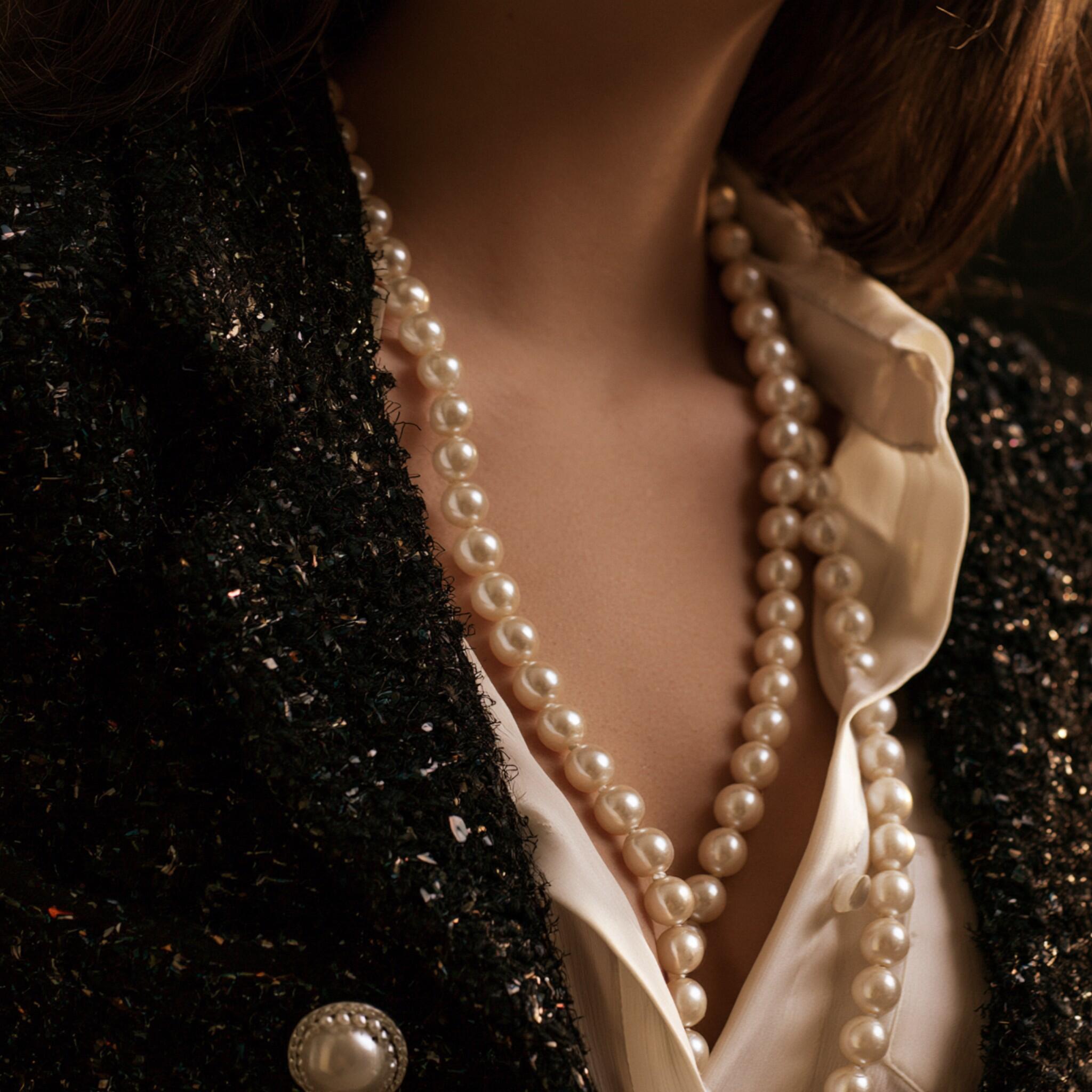
Pearls are among the most delicate gems found in antique jewellery. Unlike diamonds or sapphires, pearls are organic and can be damaged by chemicals, perfumes and excessive dryness.
To care for pearls:
- Wipe gently with a soft cloth after wearing.
- Avoid perfumes and hairsprays.
- Store separately from harder gemstones.
- Never use ultrasonic cleaners.
- Have pearl necklaces restrung periodically if worn regularly.
A pearl's lustre is its greatest beauty, and gentle care helps preserve it.
Caring for Opals
Opals are beloved for their enchanting play of colour, but they require careful handling. Because opals contain water within their structure, sudden changes in temperature and prolonged dryness can occasionally cause crazing or cracking.
To protect antique opals:
- Avoid extreme heat.
- Do not use ultrasonic cleaners.
- Clean only with a soft damp cloth.
- Store away from direct sunlight.
Caring for Emeralds
Many emeralds contain natural inclusions and may have been treated with oils to improve their appearance. Harsh cleaning methods can remove these oils and affect the stone's appearance.
For emerald jewellery:
- Avoid steam cleaners.
- Avoid ultrasonic cleaning.
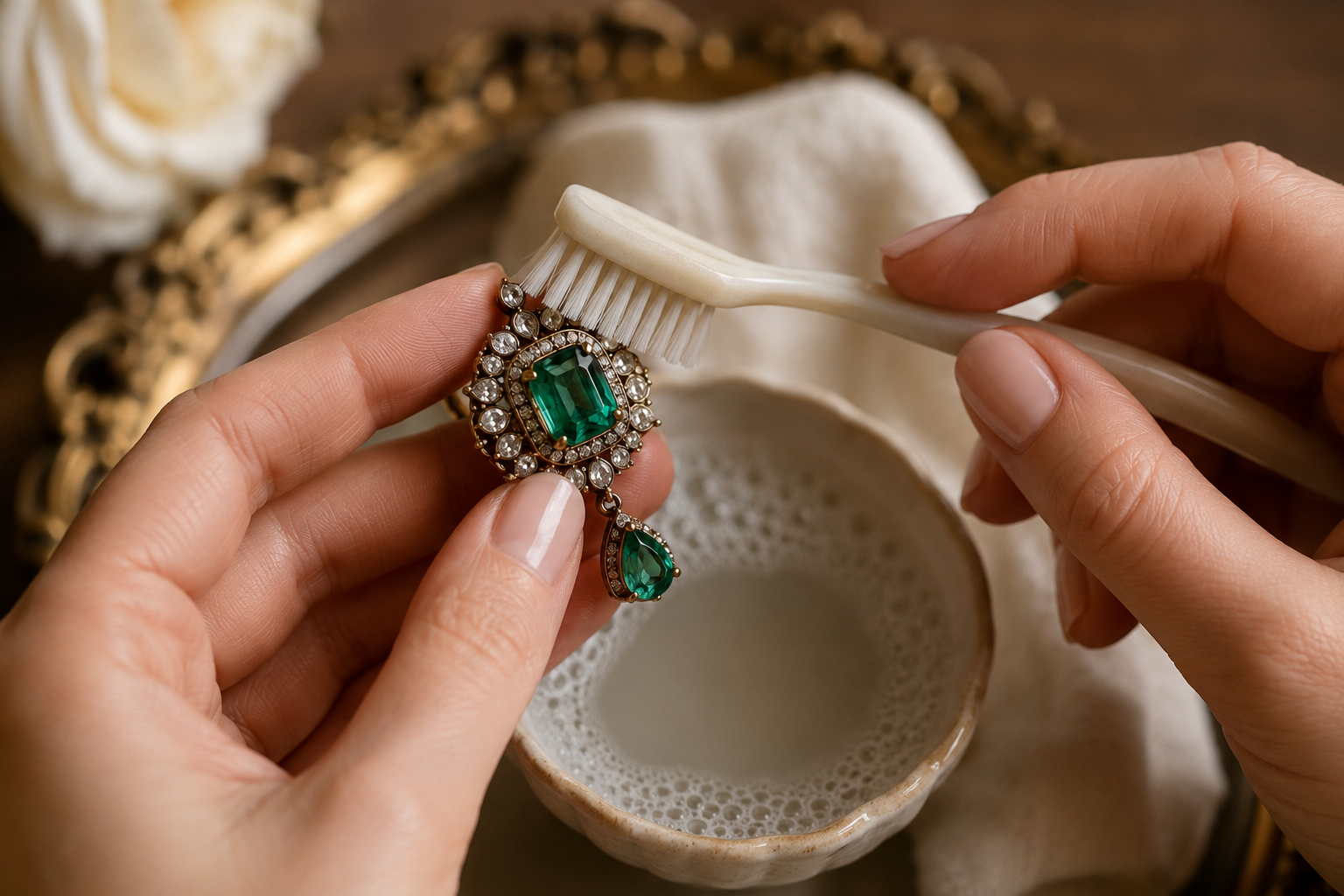
- Use warm water and a soft brush only when necessary.
Cleaning Gold and Platinum Jewellery
Gold and platinum are durable precious metals that can generally be cleaned safely at home.
To clean:
- Fill a bowl with lukewarm water.
- Add a few drops of mild washing-up liquid.
- Soak briefly.
- Gently brush with a soft toothbrush.
- Rinse thoroughly.
- Pat dry with a lint-free cloth.
Avoid abrasive polishing products which can wear away fine details and engraving.
Cleaning Silver Jewellery
Sterling silver naturally develops a patina over time. Many collectors appreciate this soft ageing effect, particularly on antique pieces where it highlights intricate details. If desired, silver can be gently polished using a specialist silver polishing cloth.
Avoid aggressive silver dips, which may strip away the beautiful character that develops over decades.
Jewellery Storage Matters
Proper storage is one of the simplest ways to preserve antique jewellery. Ideally jewellery should be stored:
- In individual soft pouches.
- In a lined jewellery box.
- Away from direct sunlight.
- In a cool, dry environment.
Storing pieces separately helps prevent gemstones scratching one another. Diamonds, sapphires and rubies are particularly hard and can easily scratch softer stones such as pearls, opals and turquoise. We provide sturdy leatherette boxes with velvet interiors designed to keep your jewellery safe and protected from damage, chemicals and sunlight. These boxes are designed as keepsakes.
Check Settings Regularly
Gemstone settings naturally loosen over time through everyday wear. We recommend periodically checking:
- Ring claws
- Necklace clasps
- Brooch pins
- Earring fittings
If a stone appears loose, stop wearing the piece and consult a professional jeweller. A simple repair is often far easier than replacing a lost gemstone.
When to Seek Professional Help
Some antique jewellery should only be cleaned by a specialist.
This includes:
- Closed-back settings
- Foiled gemstones
- Antique pearls
- Enamel jewellery
- Delicate Georgian pieces
Professional cleaning and inspection can help identify issues before they become serious problems. Ensure you take your jewellery to a reputable jeweller.

Preserving History
Antique jewellery is more than an accessory. Every piece carries a story, whether it once adorned a Victorian bride, marked a family milestone or was treasured by generations before us.
With thoughtful care and gentle cleaning, these remarkable jewels can continue their journey through time, preserving not only their beauty but also the history they represent.
After all, we are not merely owners of antique jewellery—we are temporary custodians of pieces that have already survived centuries and may well survive centuries more.