Whispers of Gold and Candlelight
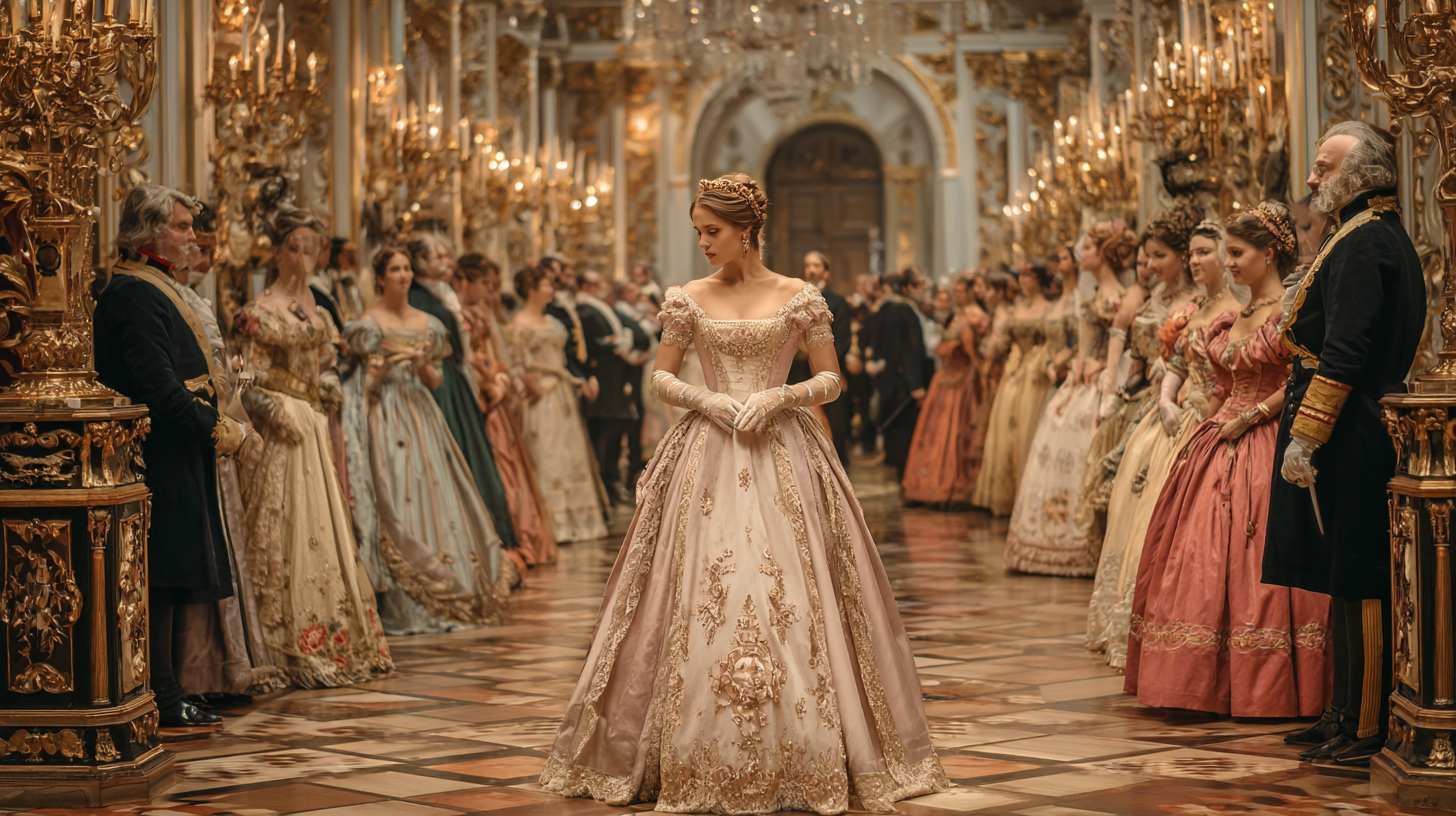
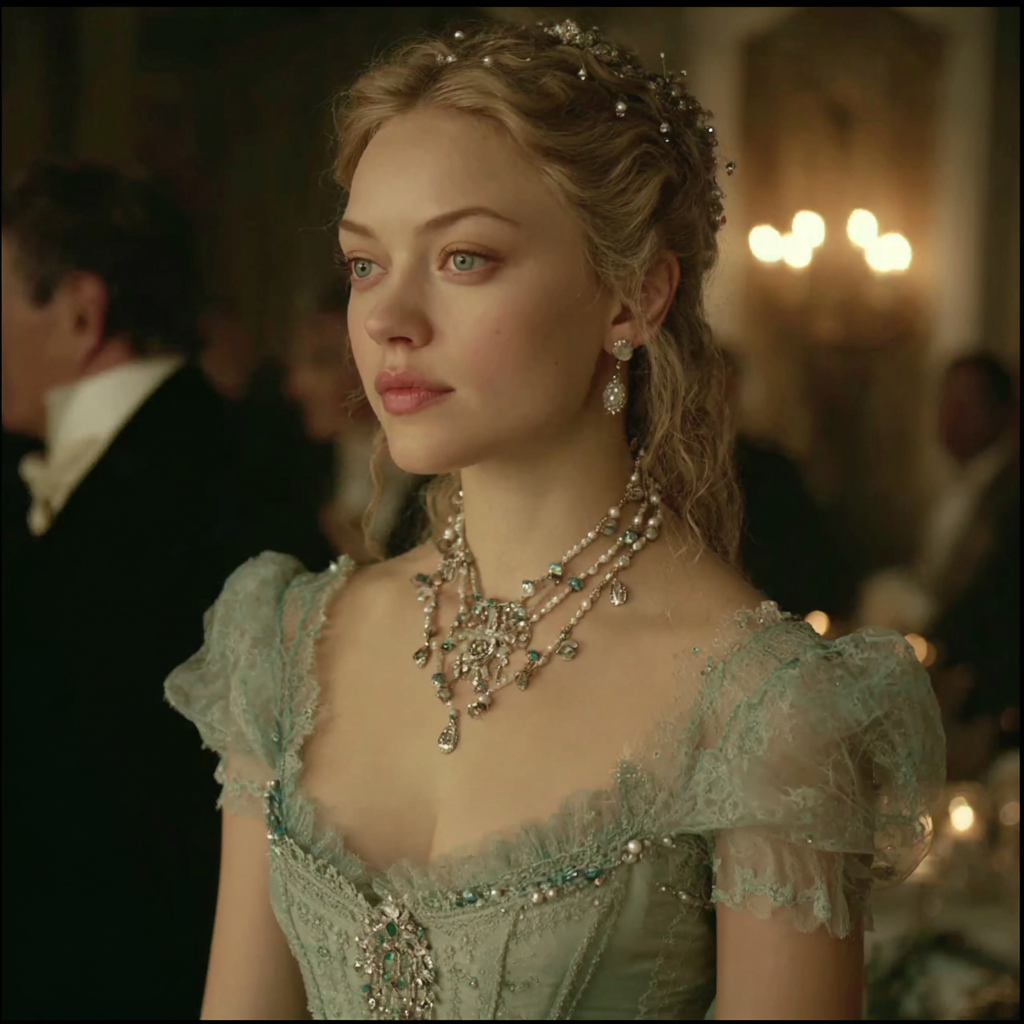
In the soft glow of candlelight, where whispers of silk skirts brush against polished floors and the air hums with anticipation, Regency jewellery emerges not merely as adornment, but as a language of longing, status, and quiet rebellion. To step into the world so vividly reimagined in Bridgerton is to understand that every glimmering stone, every delicate chain, carries a story as intricate as the hearts that wear them.
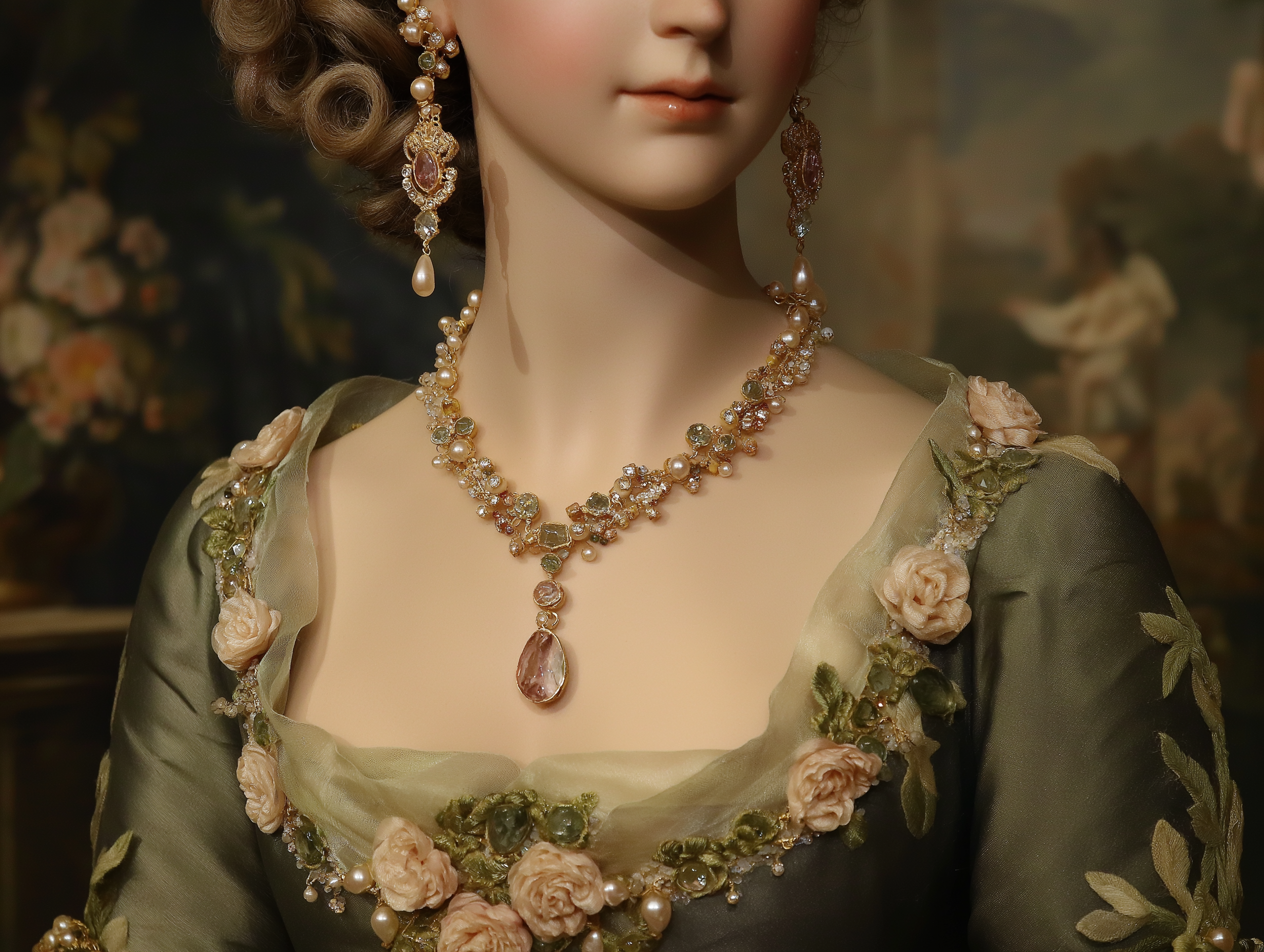
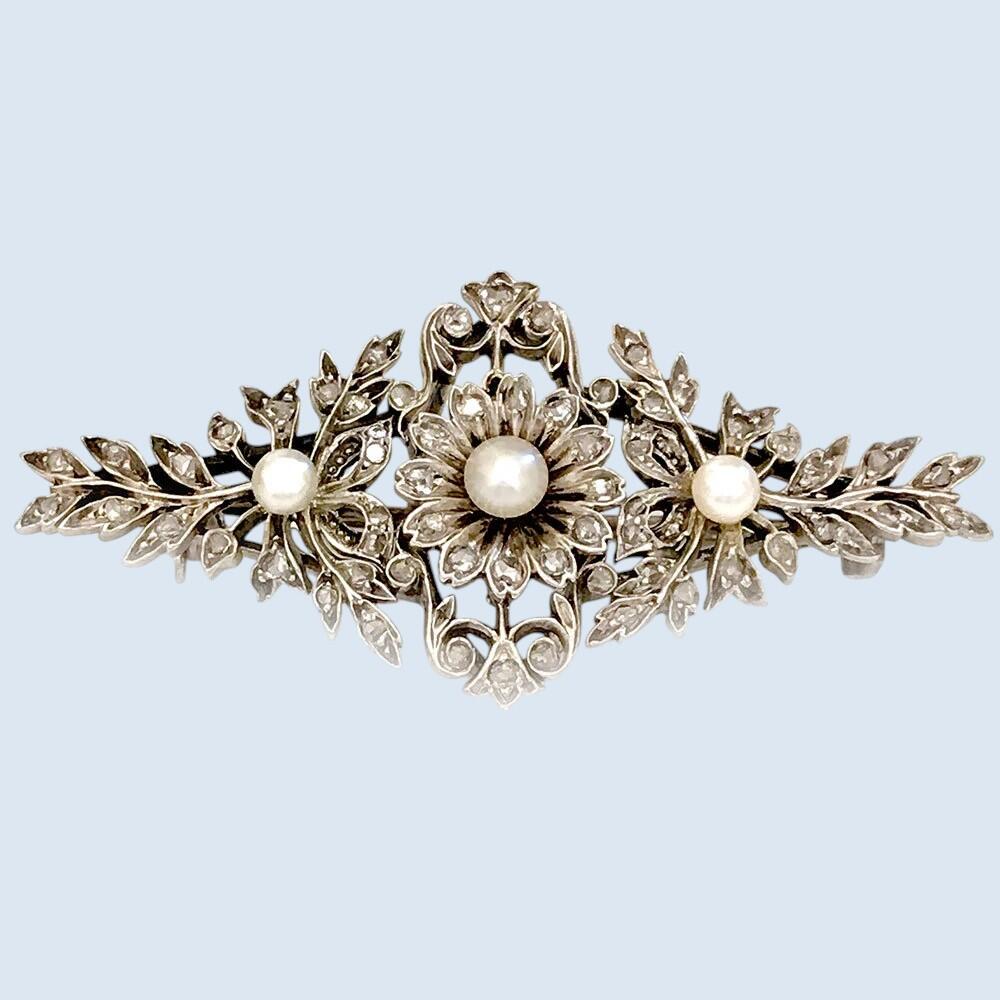
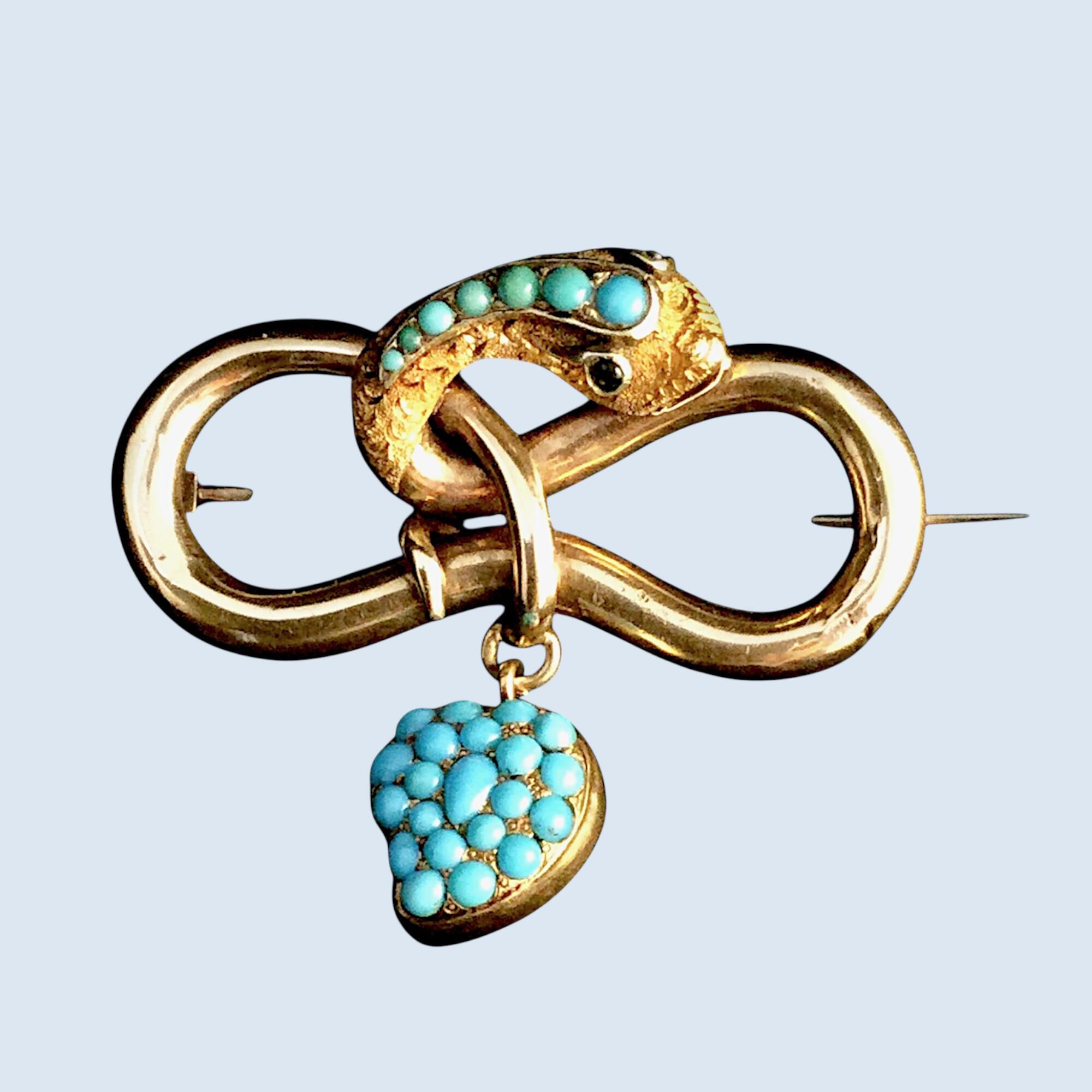
The Regency era, spanning the early 19th century (1811-1820), was a time of refined elegance and restrained opulence. Jewellery of this period reflected a shift from the heavy grandeur of Georgian design to something lighter, more intimate, pieces that seemed almost to float upon the skin. Gold was warm and glowing, often worked into fine, fluid shapes that echoed nature: ivy leaves curling in secret devotion, forget-me-nots pressed into enamel, and serpents coiled in eternal symbolism of love.
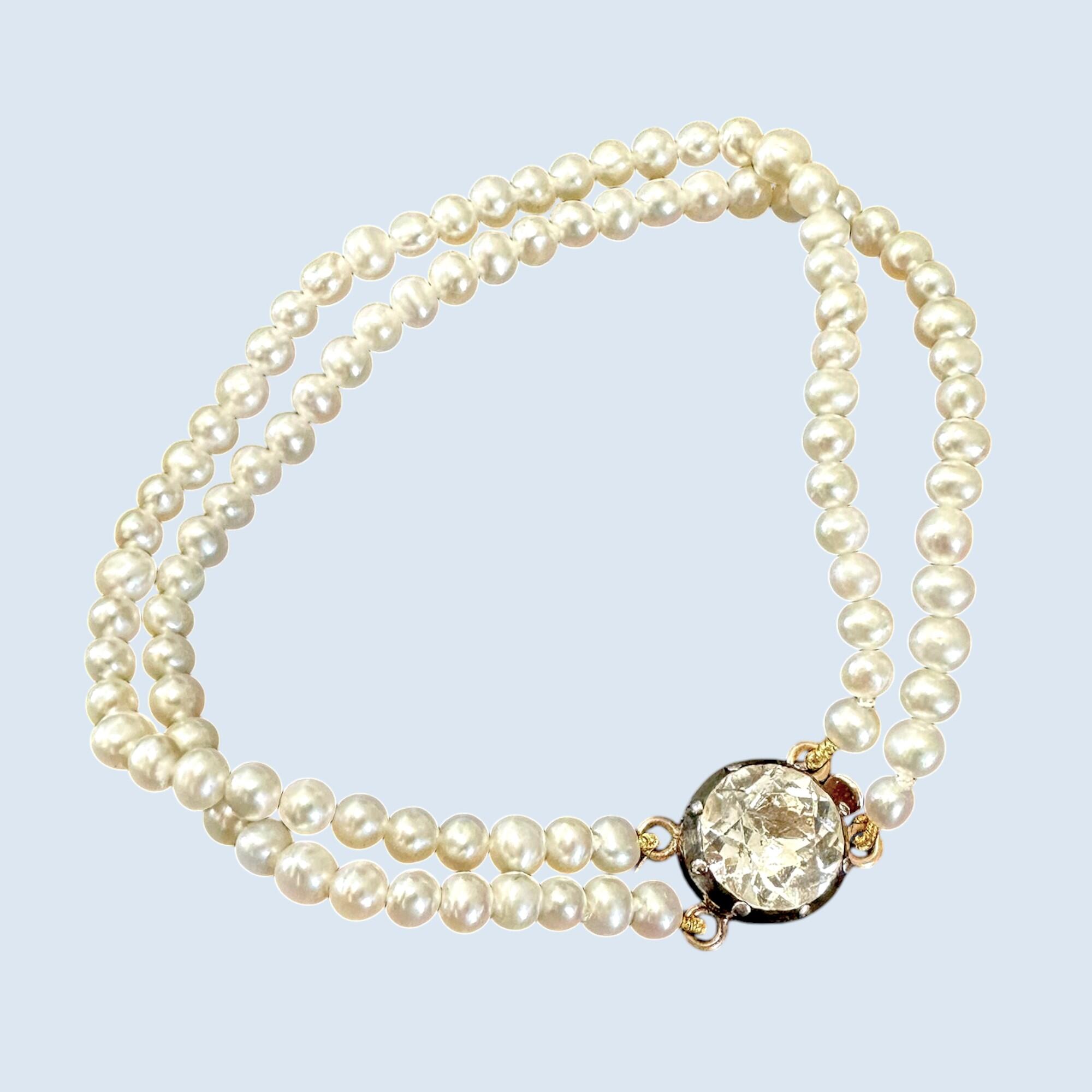 |  |  |
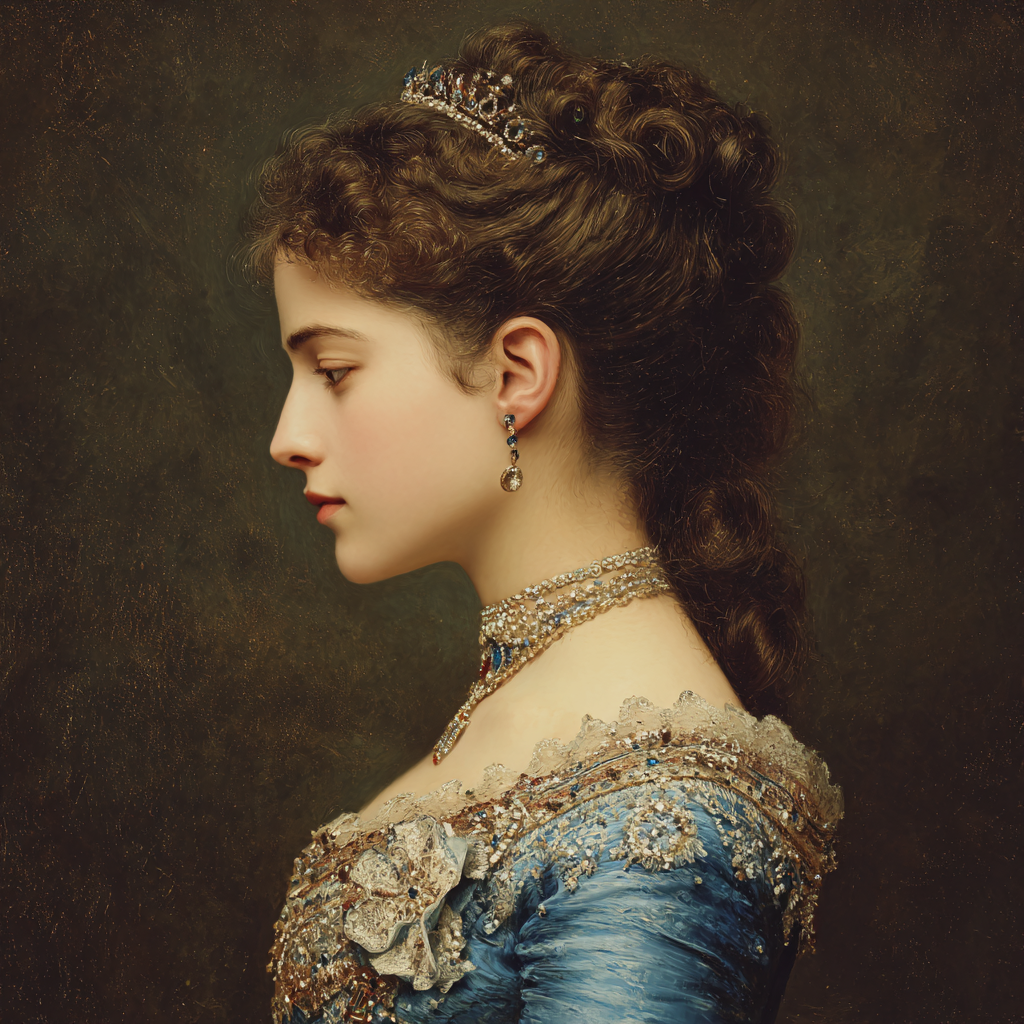
In Bridgerton’s romantic universe, these pieces become extensions of emotion. A simple pearl necklace is never just a necklace, it is innocence, expectation, and the quiet pressure of society’s gaze. A gemstone tiara glitters not only with wealth but with ambition, catching the candlelight as surely as it catches whispered admiration across a crowded ballroom.
Shop Regency period jewellery
Among the most fashionable jewels of the Regency era were cameo brooches, exquisitely carved in shell or stone, often depicting classical profiles inspired by ancient Greece and Rome. These were beloved by society ladies and frequently worn pinned at the neckline of delicate muslin gowns. Equally admired were girandole earrings, ornate drops featuring three dangling stones that swayed gently with every movement, capturing attention in candlelit salons.
Riviere necklaces—a continuous line of gemstones of gradually increasing size—were another hallmark of elegance. Whether set with paste stones or real diamonds, they encircled the neck in a seamless shimmer, embodying understated luxury. For more intimate expression, lockets and mourning Jewellery held miniature portraits, woven hair, or inscriptions, turning jewellery into deeply personal keepsakes of love and remembrance.
Bracelets, too, took on refined forms. Acrostic jewellery became particularly fashionable—pieces in which the first letters of gemstones spelled out secret words such as “REGARD” (ruby, emerald, garnet, amethyst, ruby, diamond). These coded tokens of affection were exchanged discreetly, their meanings known only to giver and wearer.
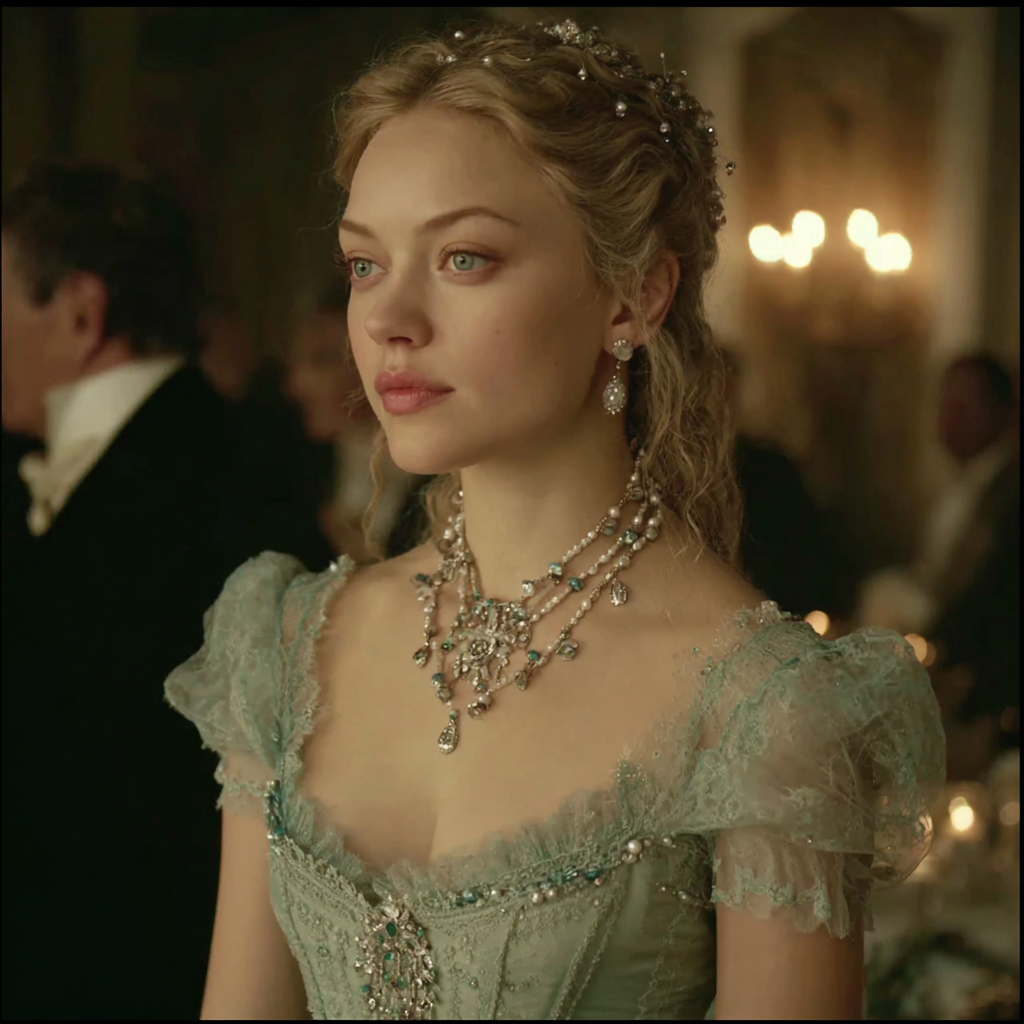
Hair ornaments played a starring role in Regency style. Tiara-style bandeaux, often set with seed pearls or delicate goldwork, rested lightly across softly curled hair, while comb ornaments adorned with coral, tortoiseshell, or gilded motifs added height and drama. In the world of Bridgerton, such pieces would glimmer as dancers turned beneath chandeliers, each movement a choreography of light.
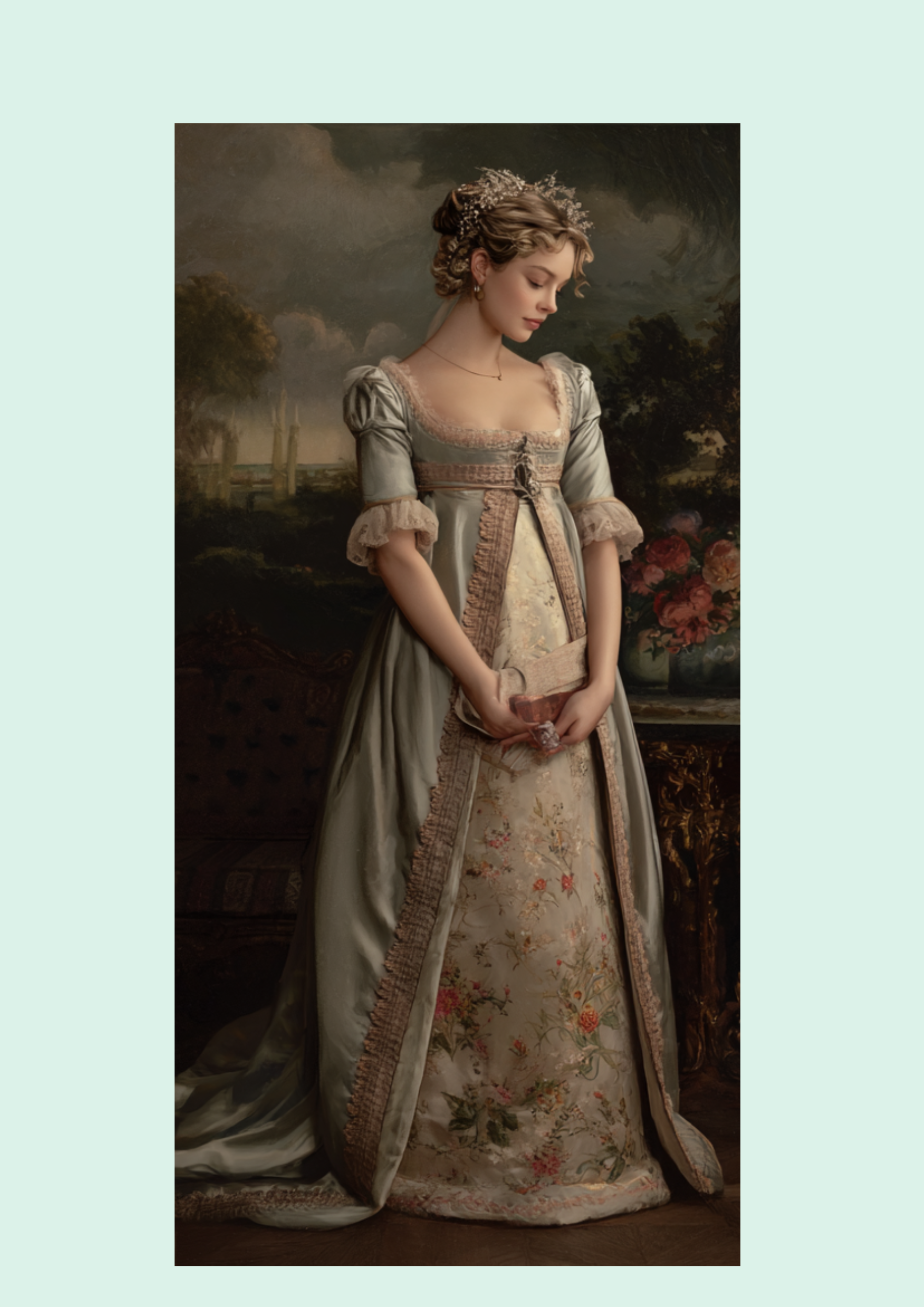
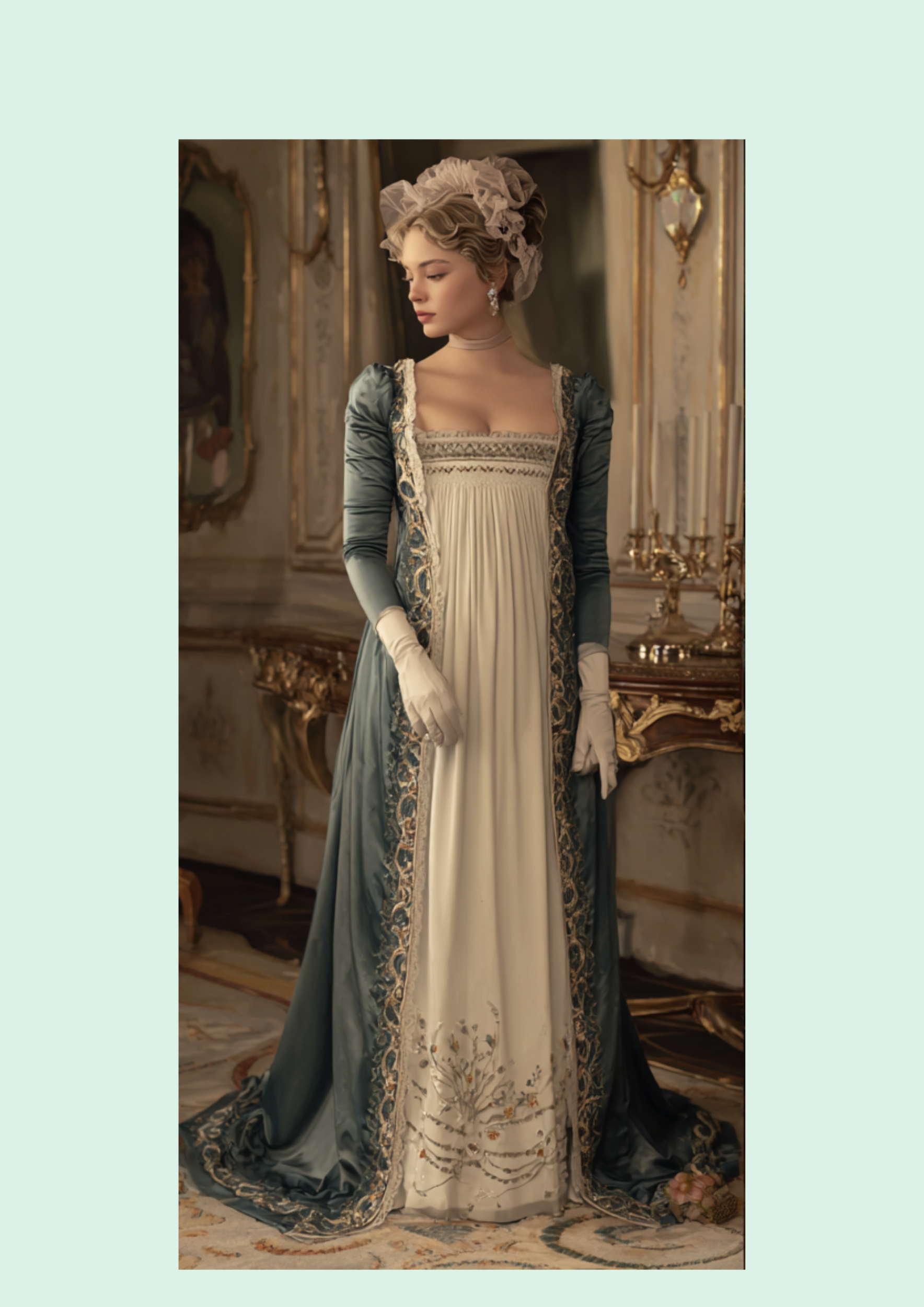
Perhaps most enchanting were the parures—matching sets of jewellery designed to be worn together. Necklace, earrings, brooch, and bracelet, all in harmony, as though composed like a sonnet. When worn, they transform their wearer into a vision of cohesion and grace, much like the carefully orchestrated courtships that unfold beneath chandeliers and watchful eyes.
 | 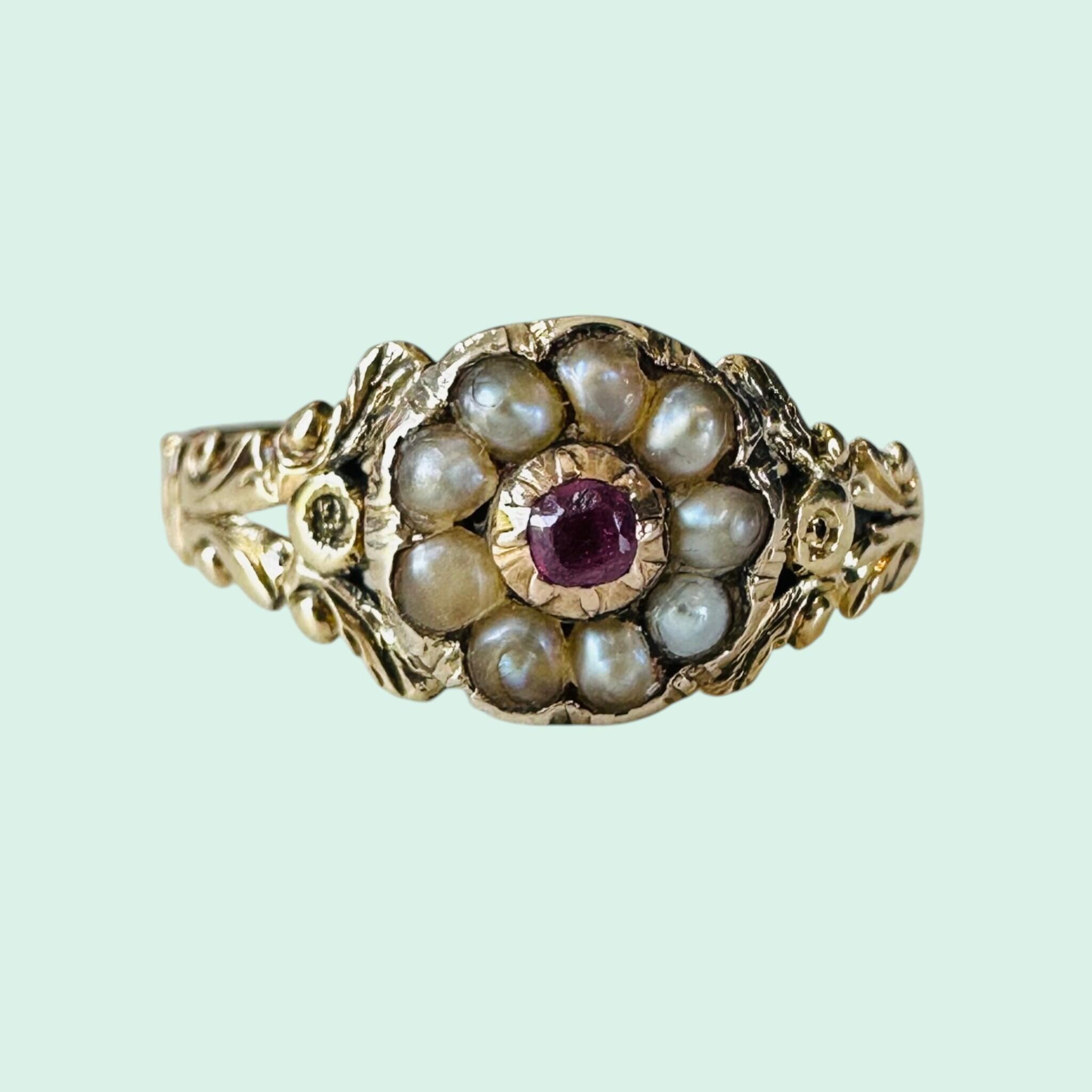  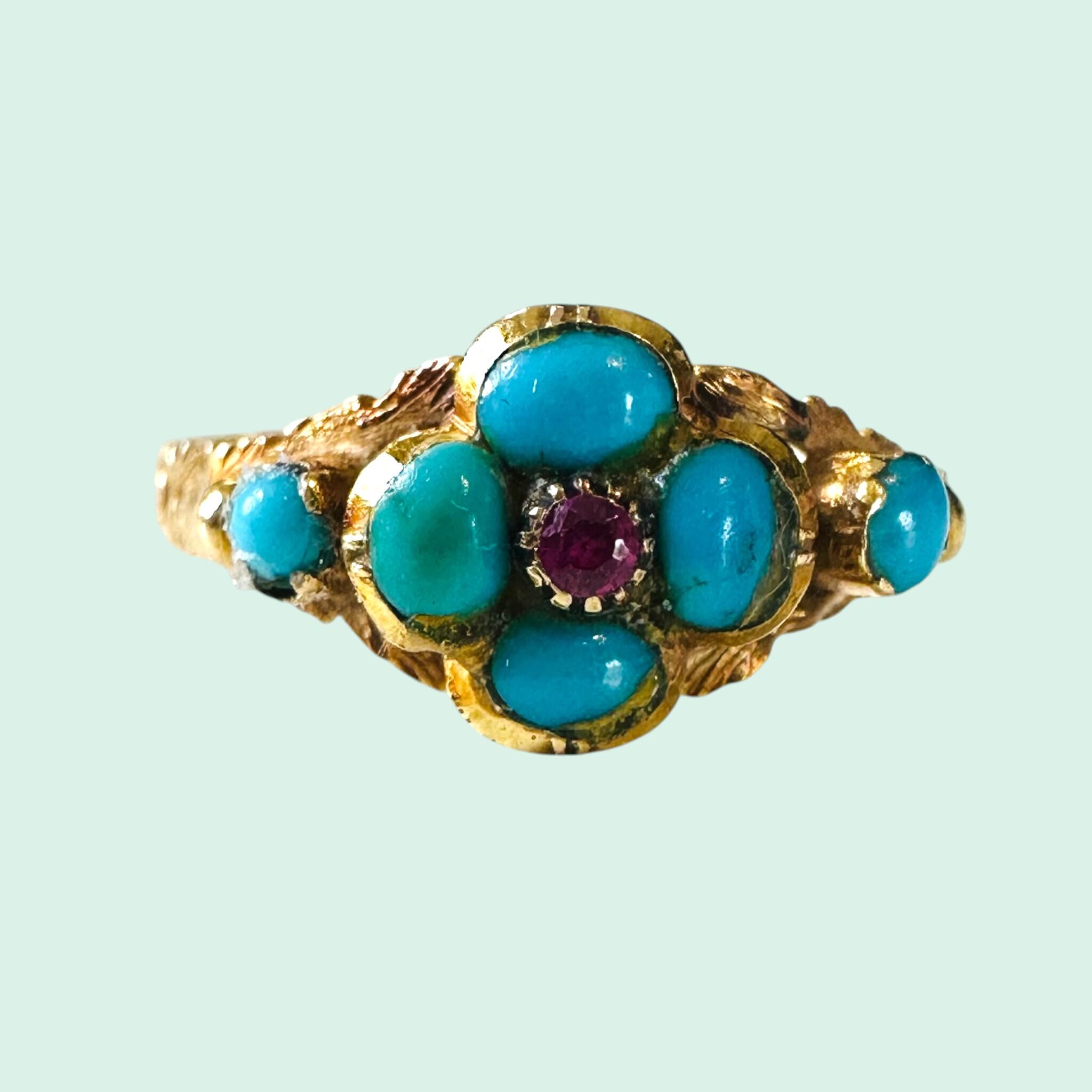 |  |
Gemstones themselves held meaning, lending a secret poetry to each adornment. Garnets burned with passion, their deep red hues echoing unspoken desires. Topaz shimmered with loyalty and affection, while amethysts suggested calm dignity—perfect for a debutante navigating her first season. And pearls, ever-present, spoke of purity but also of quiet resilience, formed through time and patience beneath unseen waters.
What makes Regency jewellery so captivating—especially through the lens of Bridgerton—is its intimacy. Lockets rested close to the heart, rings were exchanged in subtle gestures, and even the smallest ornament could carry profound significance. Jewellery was not simply seen; it was felt, cherished, and remembered.
There is also a certain delicious tension in its restraint. Unlike later Victorian extravagance, Regency pieces rarely overwhelm. Instead, they invite closer attention. A slender gold chain slipping along the collarbone. A pair of drop earrings catching the light as a head turns ever so slightly toward a certain someone across the room. It is in these quiet details that romance truly lingers.